Dubrovnik. Kreuzfahrtschiffe stehen sogar außerhalb des eigentlichen Hafens. Touristenmassen. Viele mit Bändchen am Arm. Hohe Mauern. Stehende Hitze. Unverschämte Preise.
Deshalb nehmen wir den Bus, der direkt vor unserer Haustür hält. 10 € pro Stunde Parkgebühr – wer will sich so etwas leisten? Und selbst der Bus ist voll.
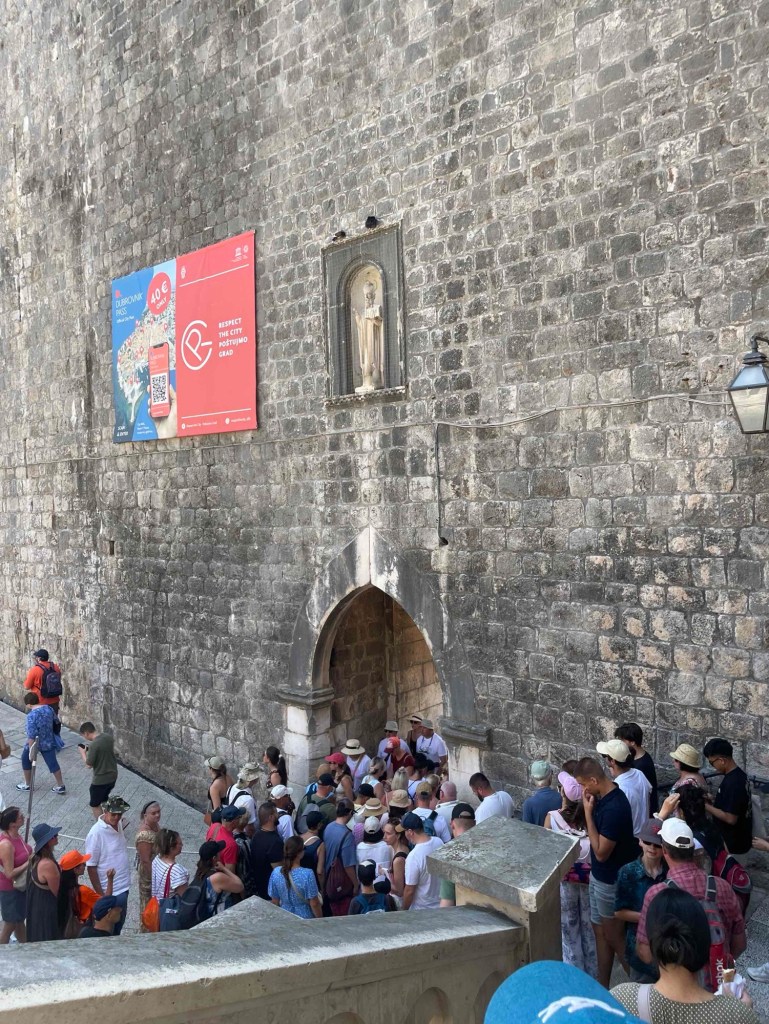
Dummerweise steigen wir an der falschen Stelle aus. Statt dort auszusteigen, wo die Mehrheit den Bus verlässt, fahren wir bis zum Hafen, an dem die Kreuzfahrtschiffe liegen. Zwei Kilometer zurücklaufen? Das tun wir uns nicht an und steigen einfach in den nächsten Bus Richtung Altstadt um. Wir landen direkt vor dem weltbekannten Pile-Tor. Oder soll ich sagen: dem Game-of-Thrones-Liebhabern bekannten Tor?
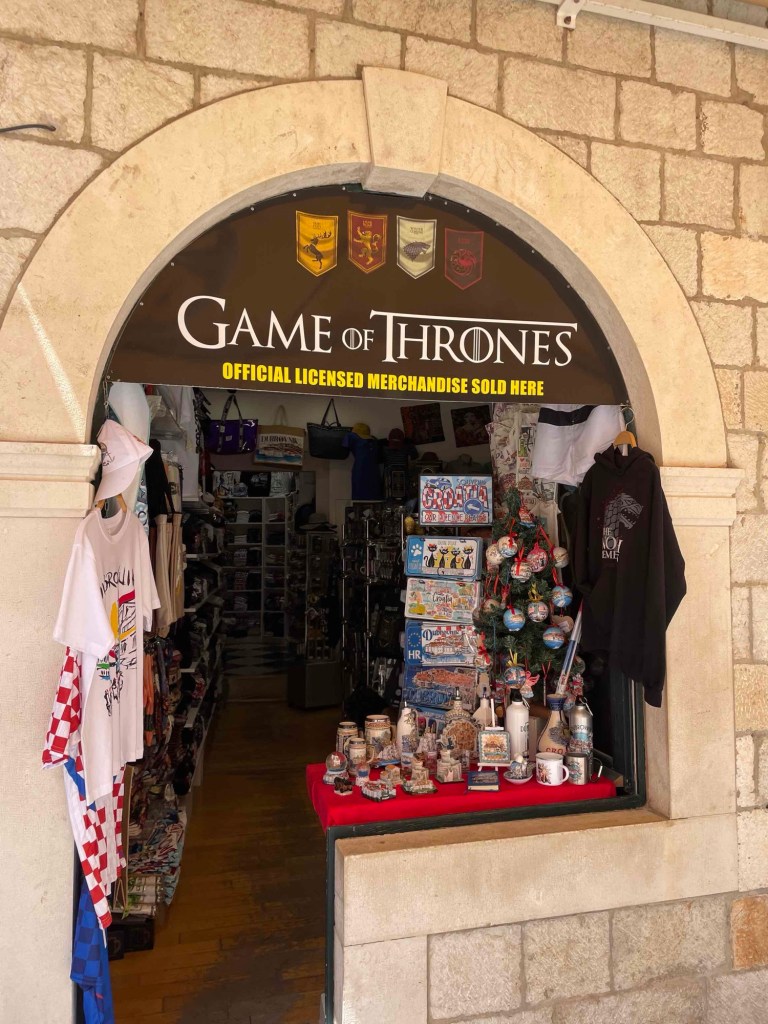
Wir laufen mit den Massen in die Altstadt hinein und uns wird bewusst: Wir sind viel zu spät los. Aber uns steckt die Müdigkeit der letzten beiden anstrengenden Urlaubstage noch in den Knochen. Selbst ich als Frühaufsteherin kam heute nicht aus dem Bett.
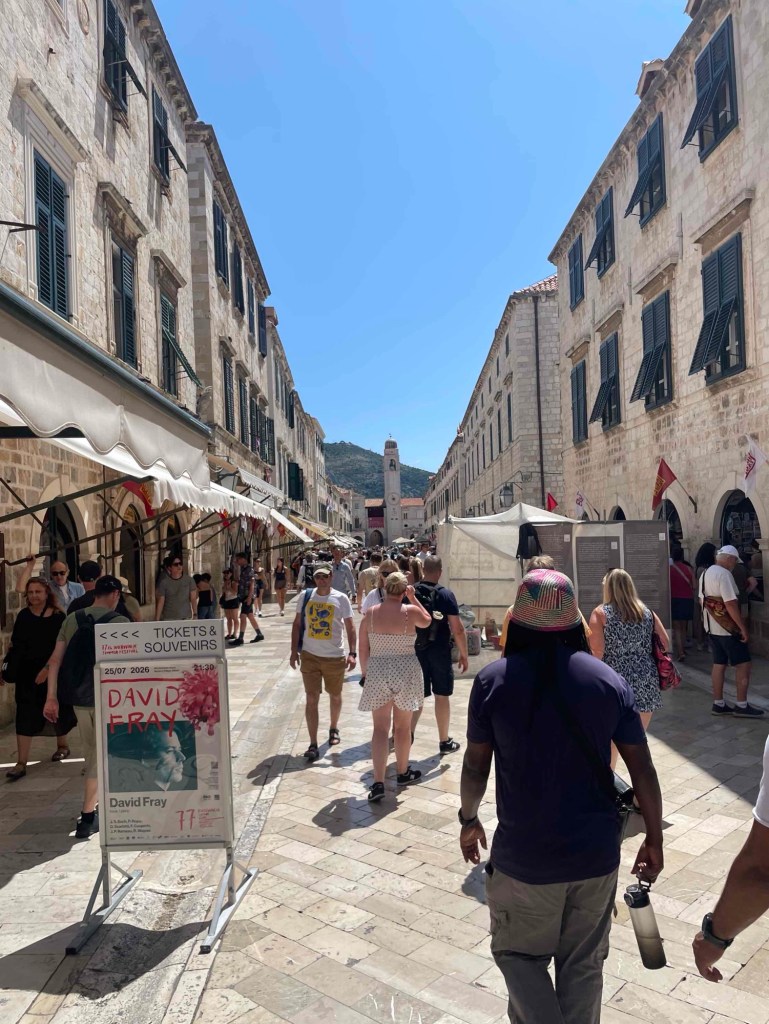
Alex hat einen Dubrovnik-Pass für 20 € besorgt, mit dem wir einige Museen (nicht alle) innerhalb von 24 Stunden besuchen können. Unser Plan: Rektorenpalast, Schifffahrtsmuseum, Museum für moderne Kunst, die Fotoausstellung zum Krieg in den 90ern und das Franziskanerkloster. Viel drinnen, um der Hitze zu entgehen. Obwohl heute der kälteste Tag der Woche ist: nur 28 Grad.
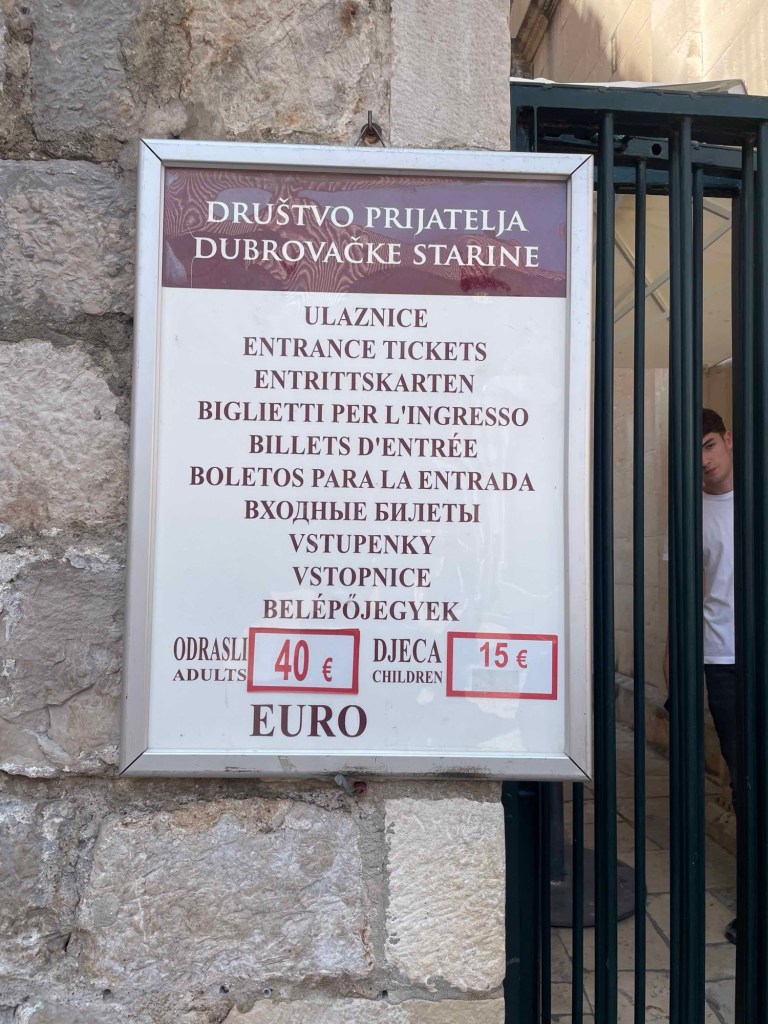
Wir sparen uns den angeblich obligatorischen Mauerrundgang. 40 € sind uns einfach zu fett. Es ist uns das nicht wert, treppauf, treppab der Sonne ausgesetzt zu sein, um am Ende zu kollabieren.
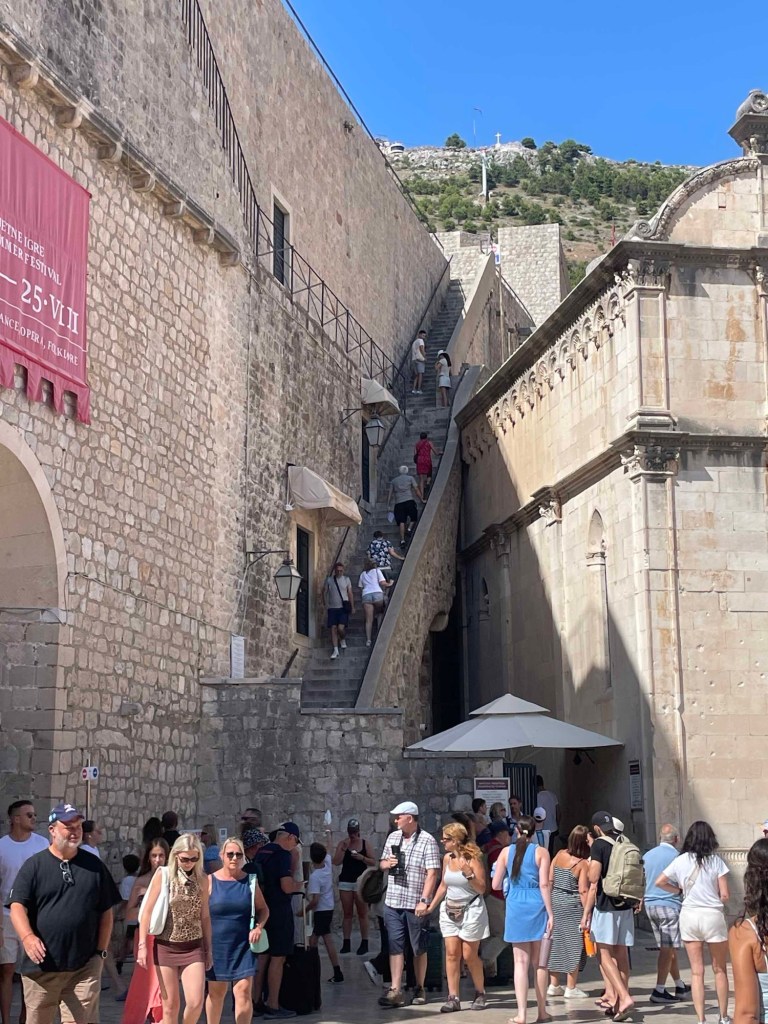
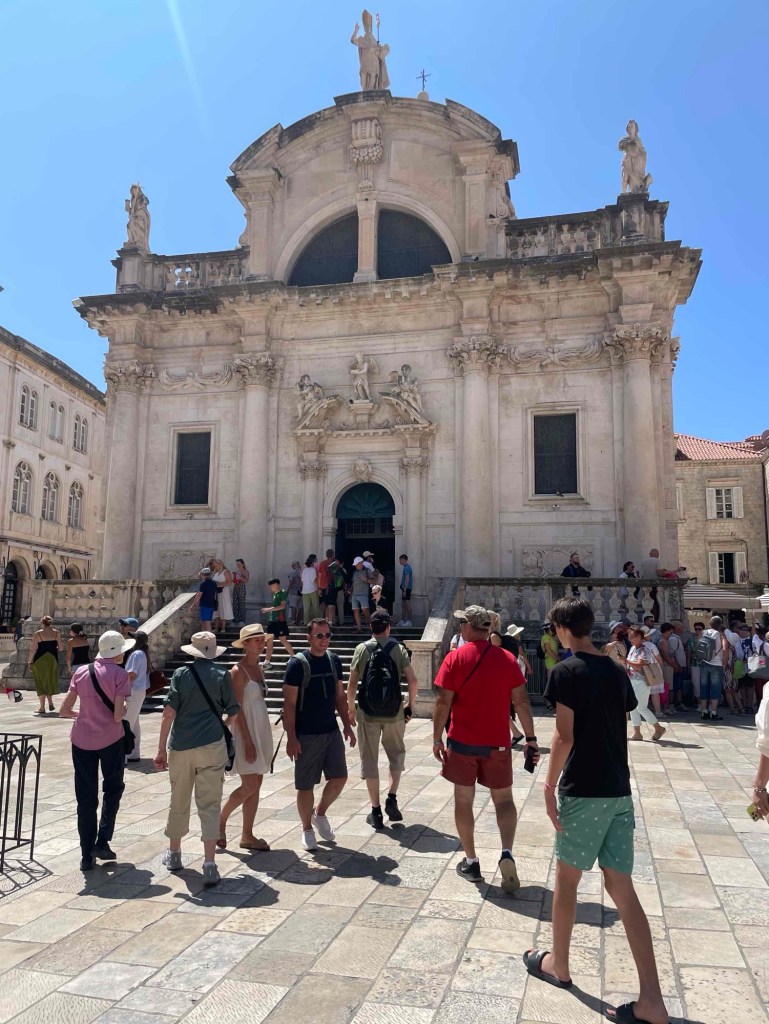
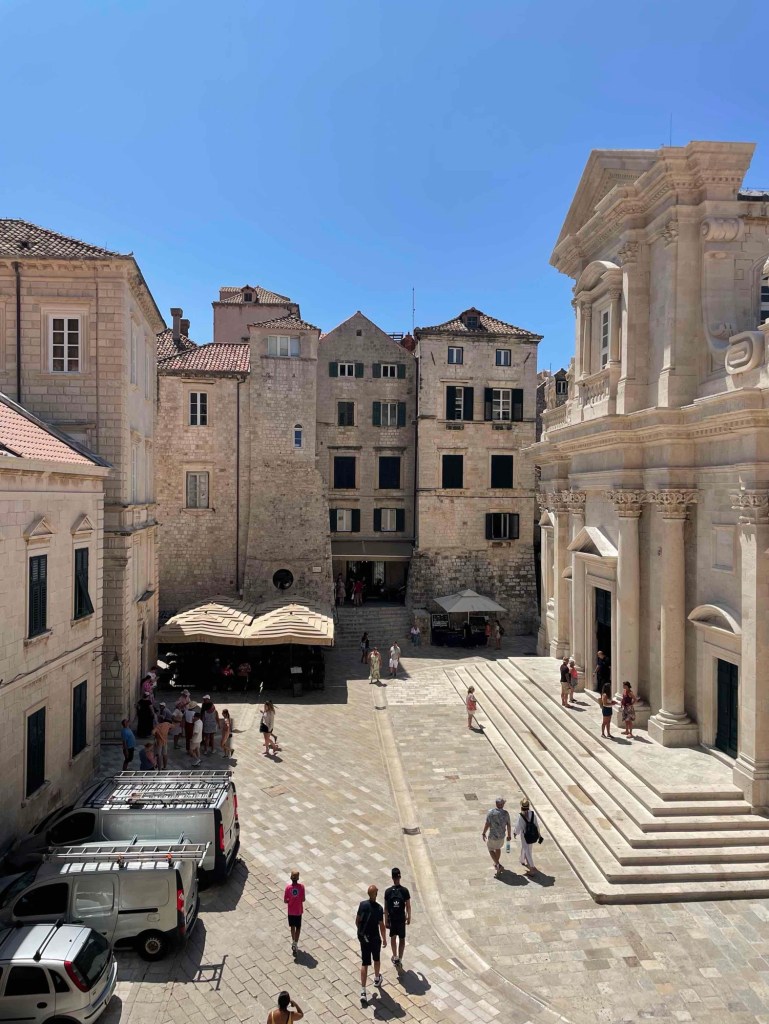
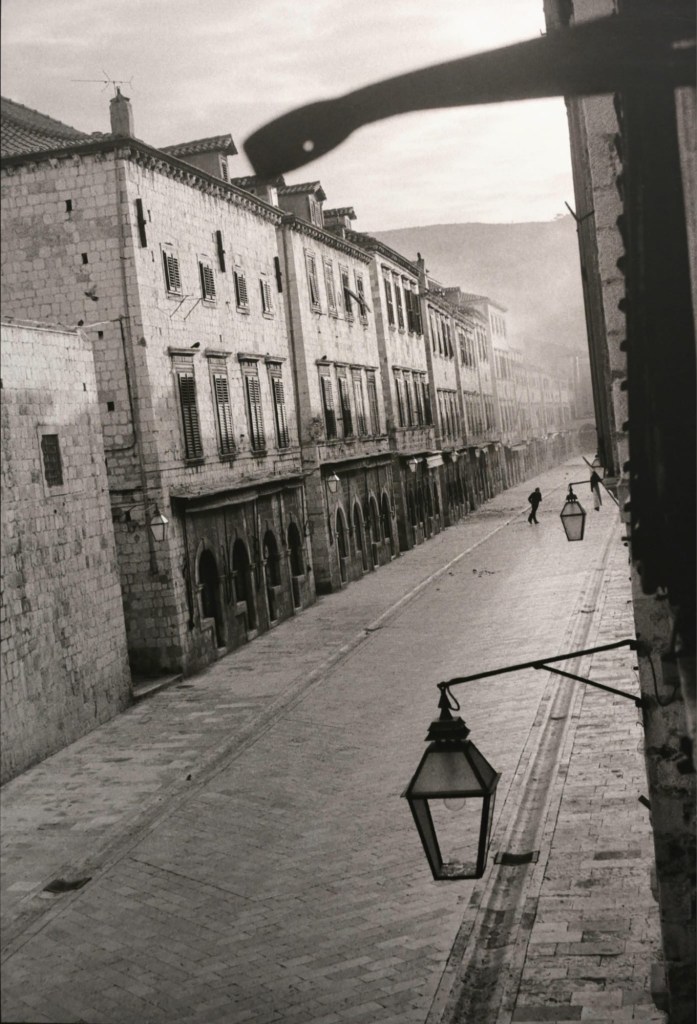
Die Altstadt innerhalb der Mauern ist auch so sehenswert – mit ihren uralten Kirchen, Klöstern und Gebäuden aus dem 17. Jahrhundert im schlichten dalmatinischen Barockstil.
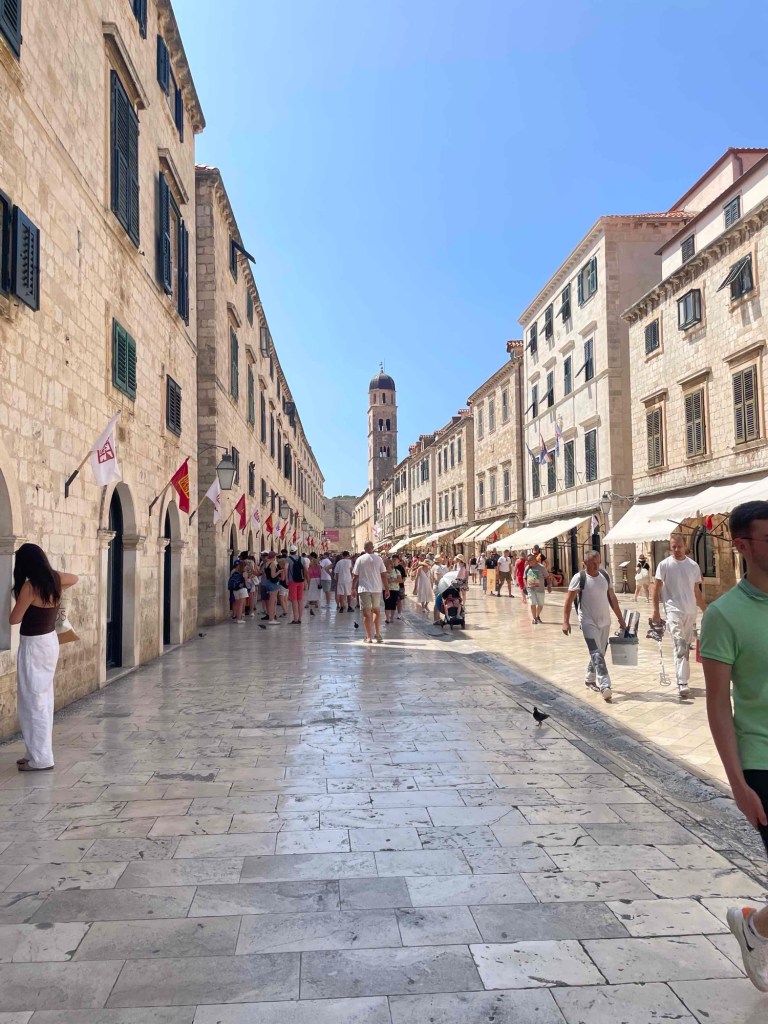
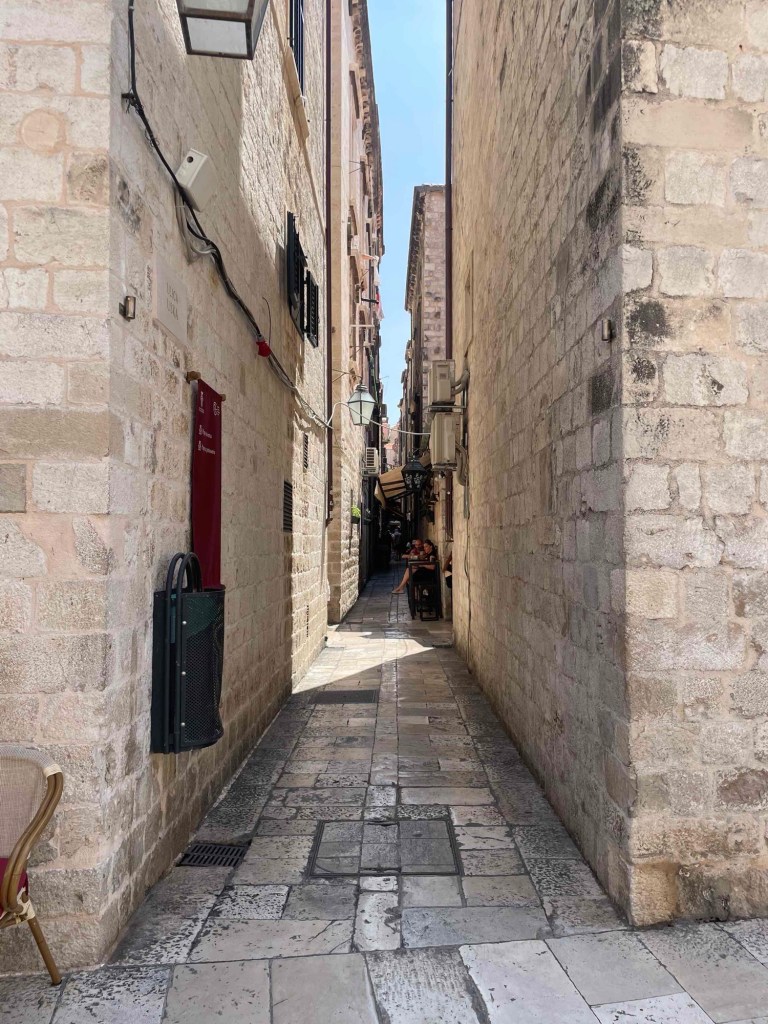
Man schlittert regelrecht über die blank polierten Kalksteinplatten. Meine Aufmerksamkeit gilt nur meinen Füßen: Bloß nicht ausrutschen.
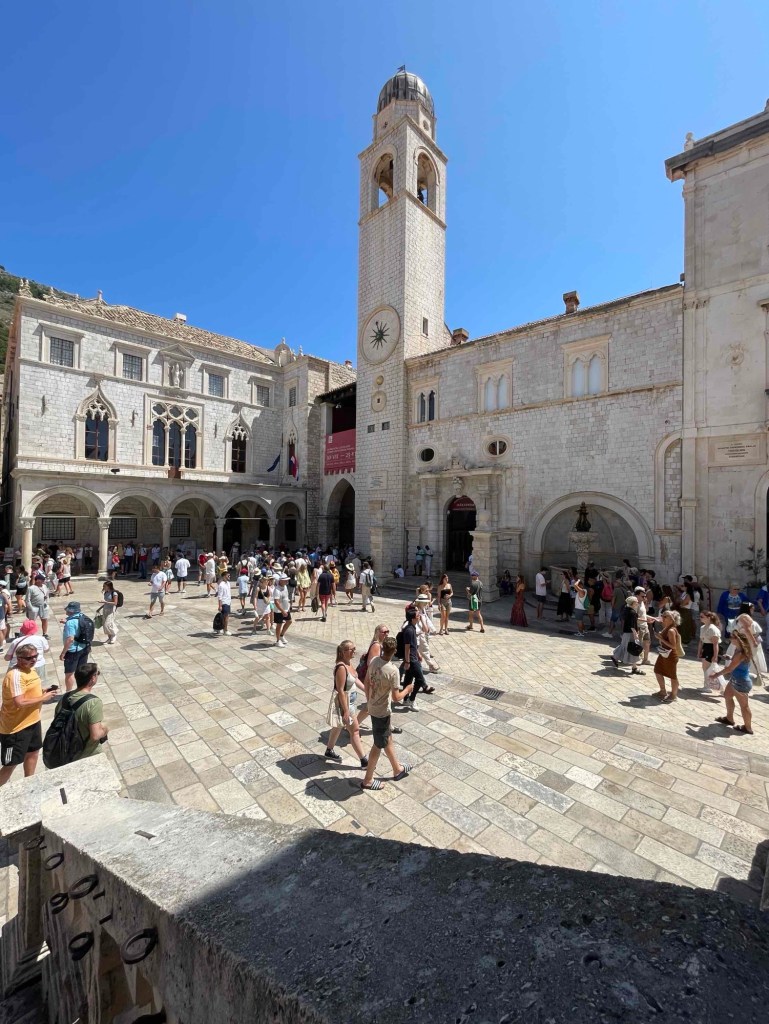
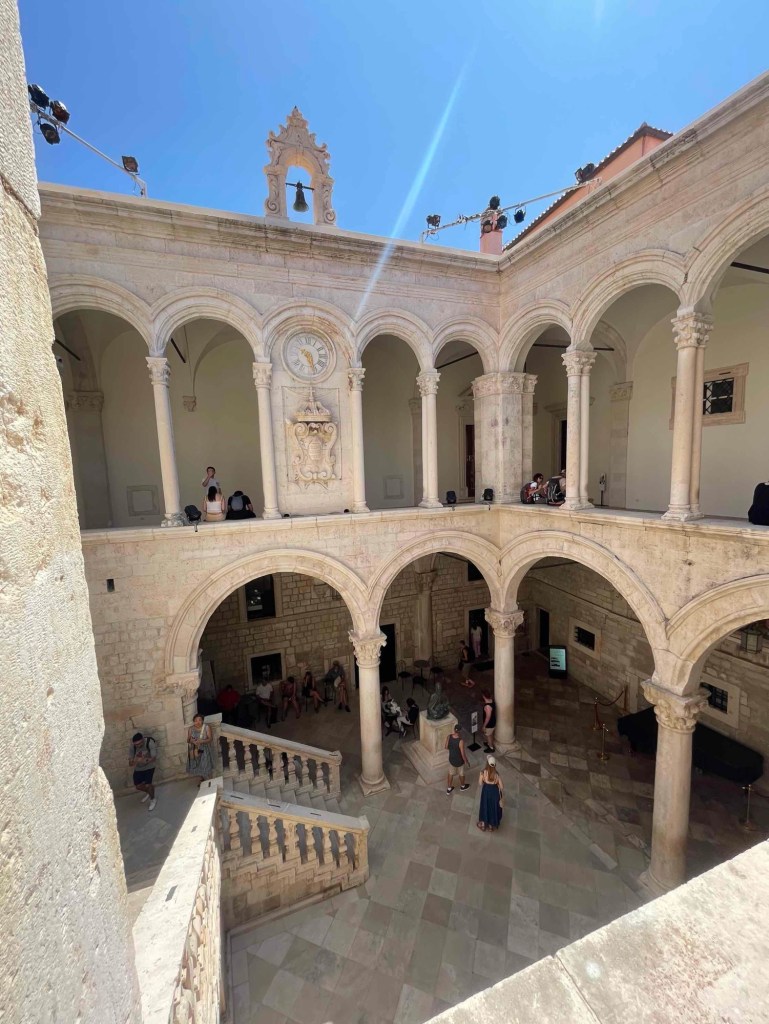
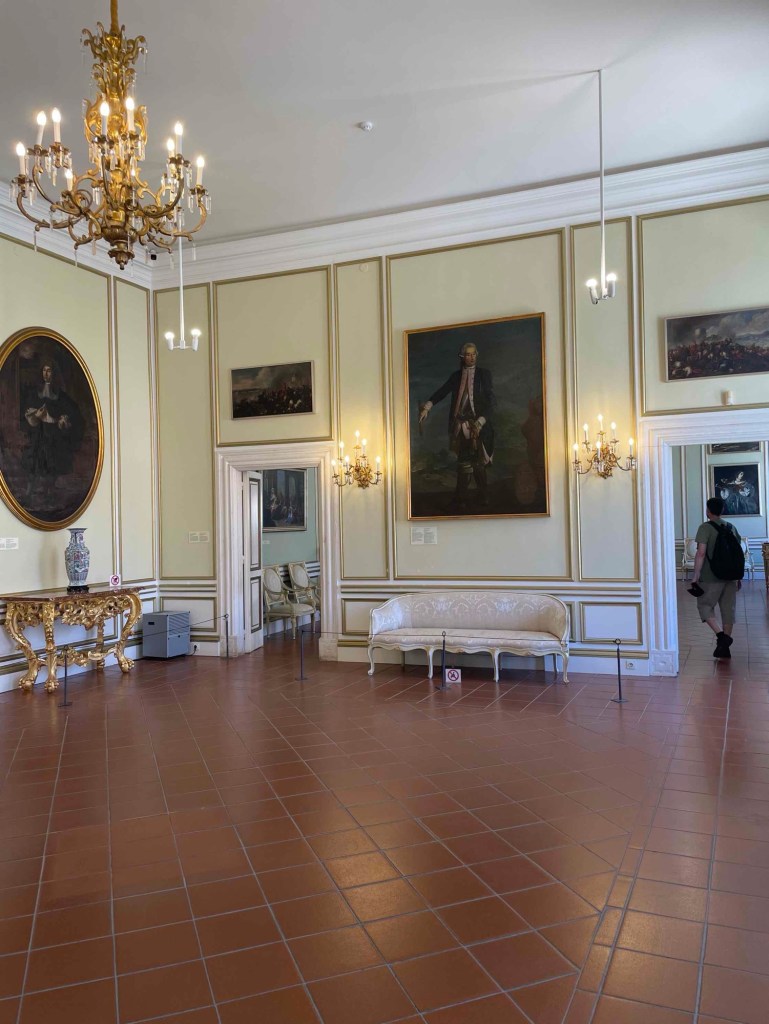
Erste Station: der Rektorenpalast. Endlich etwas Erfrischung im gut gekühlten Gemäuer. Ab und zu ein Blick durchs Fenster auf die Gassen Dubrovniks.
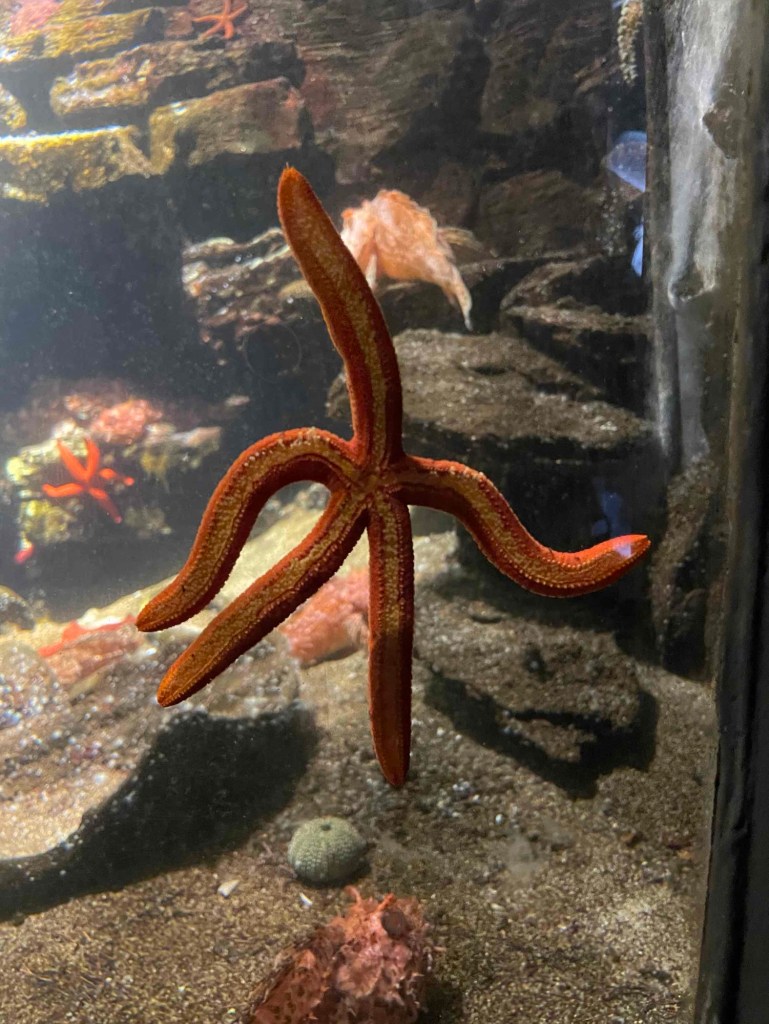
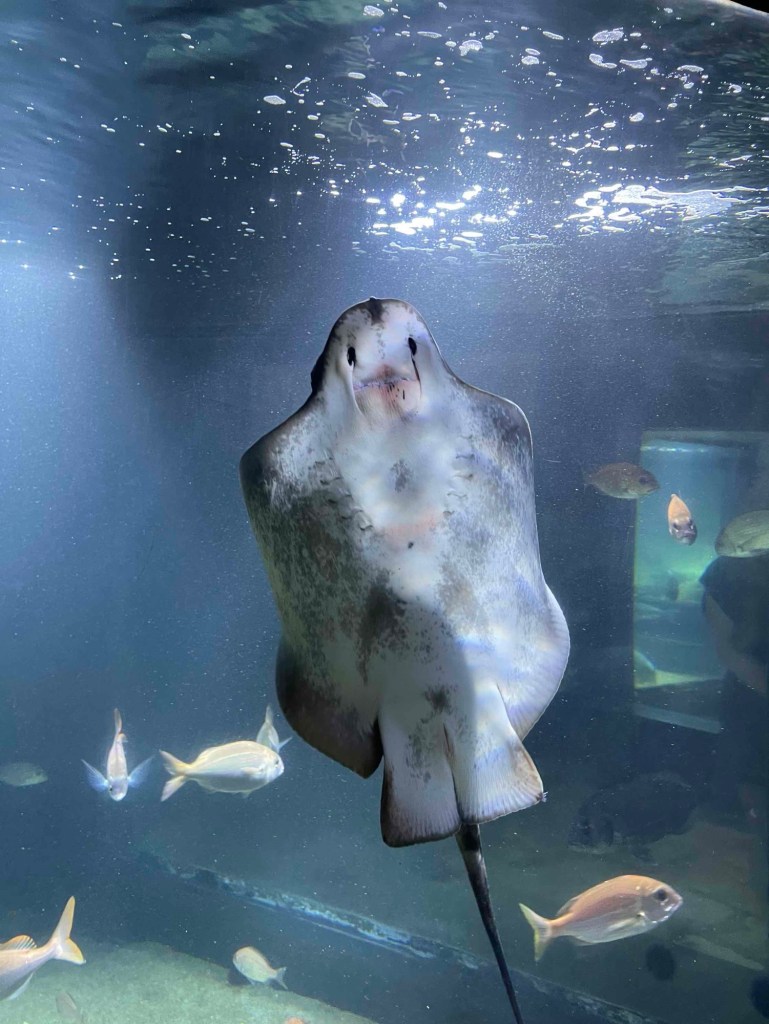
Zweite Station sollte das Schifffahrtsmuseum sein. Dafür müssen wir durch den alten Hafen. Die Suche nach dem Museum führt uns zunächst ins Aquarium. 10 Euro Eintritt. Unser Pass ist hier nicht gültig. Wir hätten stutzig werden müssen. Es gibt nur Fische zu sehen. Die Bilder im Netz entsprechen nicht den Tatsachen.
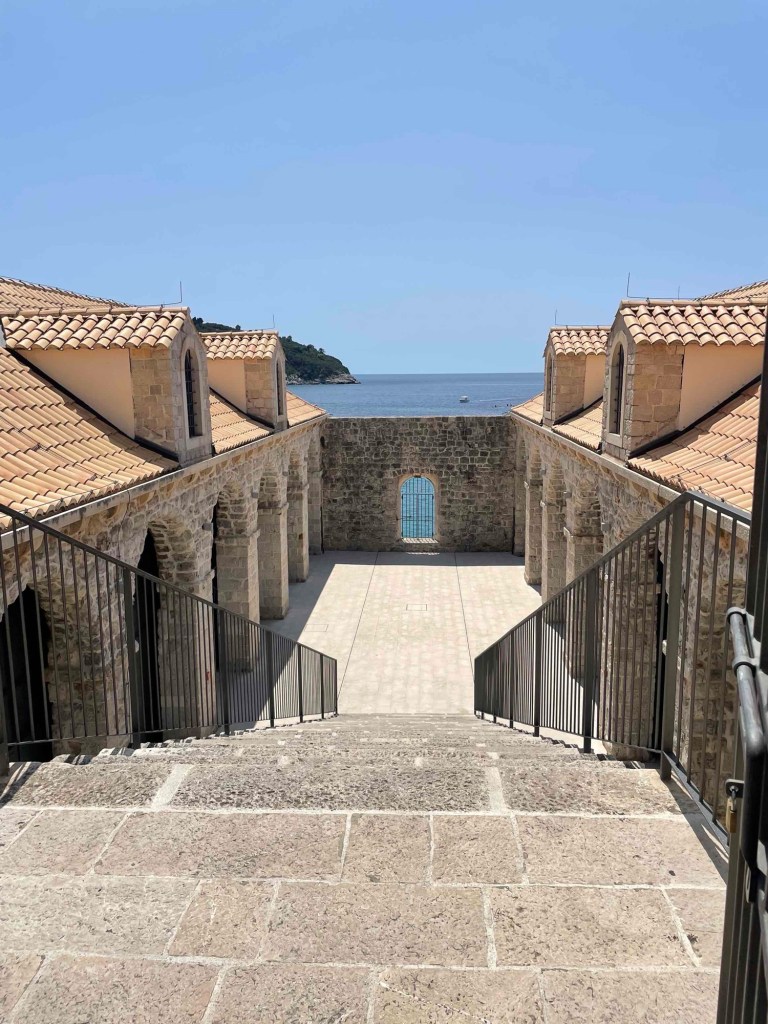
Wir suchen weiter. Das Schifffahrtsmuseum befindet sich im selben Gebäude wie die Festung St. John. Wir finden den Eingang nicht – oder besser gesagt: Wir haben keinen Zugang. Der befindet sich oberhalb an der Stadtmauer und ist nur mit dem 40-€-Ticket erreichbar. Ärgerlich.
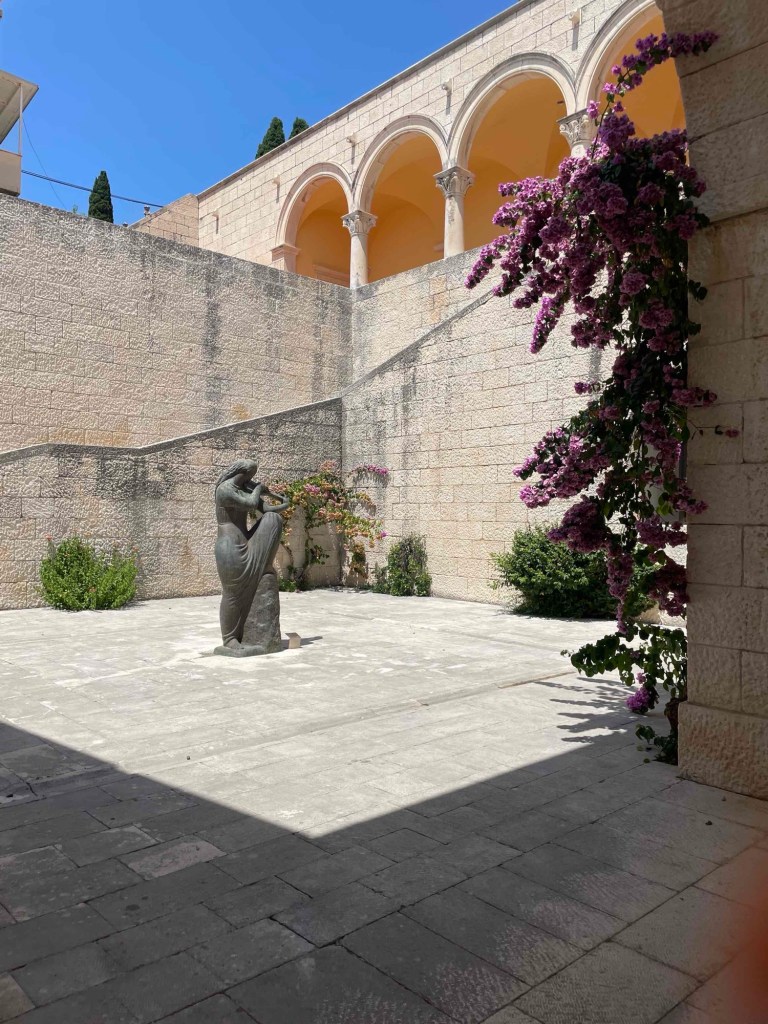
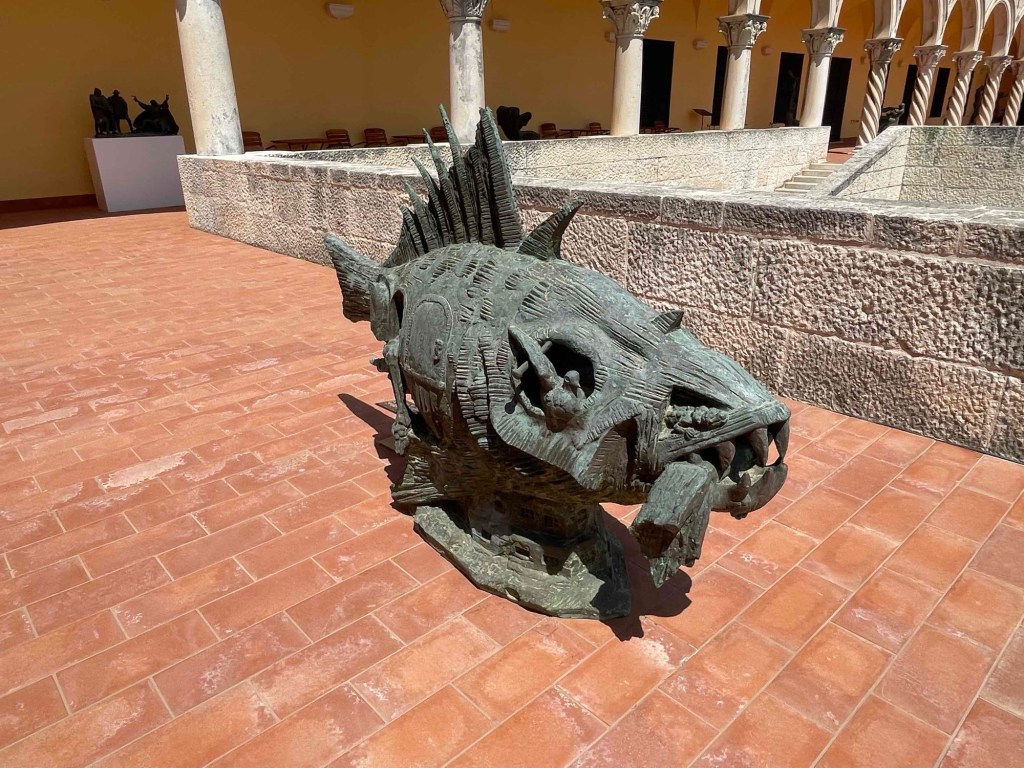
Insgesamt kommen die Museen in Dubrovnik bei Google nicht besonders gut weg. Auch das Kunstmuseum war ein Flop. Wir waren die einzigen Besucher. Die Ausstellung ist sehr klein und übersichtlich. Ausschilderungen gibt es praktisch keine. Wir verpassen die Skulpturen und gehen noch einmal zurück. Aber auch sie werden nicht erklärt, sondern stehen einfach nur da.
Das Fotomuseum zur Belagerung Dubrovniks war noch das Beeindruckendste. Unglaublich, wie es hier 1991 ausgesehen haben muss. Ich war ziemlich tief berührt von den Bildern aus Kroatien, Bosnien und dem Kosovo. Wozu Menschen nach Hitler noch immer fähig waren! Sind! Während ich mir die Diashow dazu ansah, musste ich an einen Jungen denken – einen Schüler aus Bosnien –, der all das als Kind miterleben musste: Erschießungen auf dem Schulhof, Busse mit Flüchtlingen, von denen auch nicht alle lebend ihr Ziel erreichten. Und hier nun die Bilder, sogar in Farbe. Mir stehen die Tränen in den Augen.
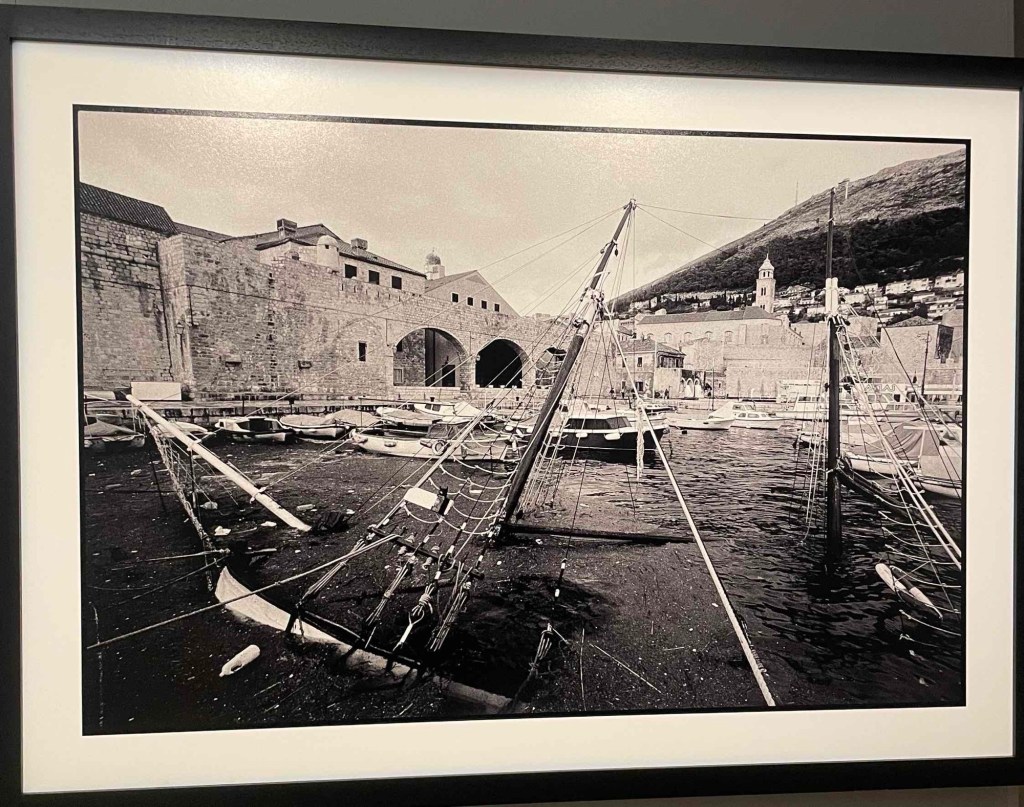
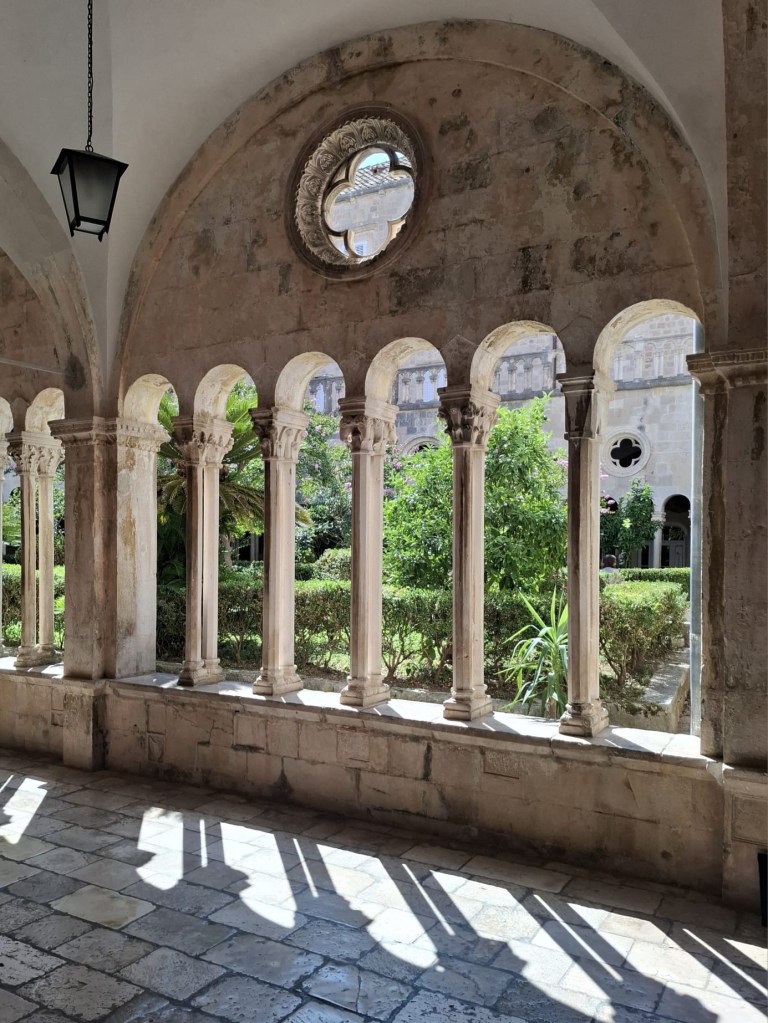
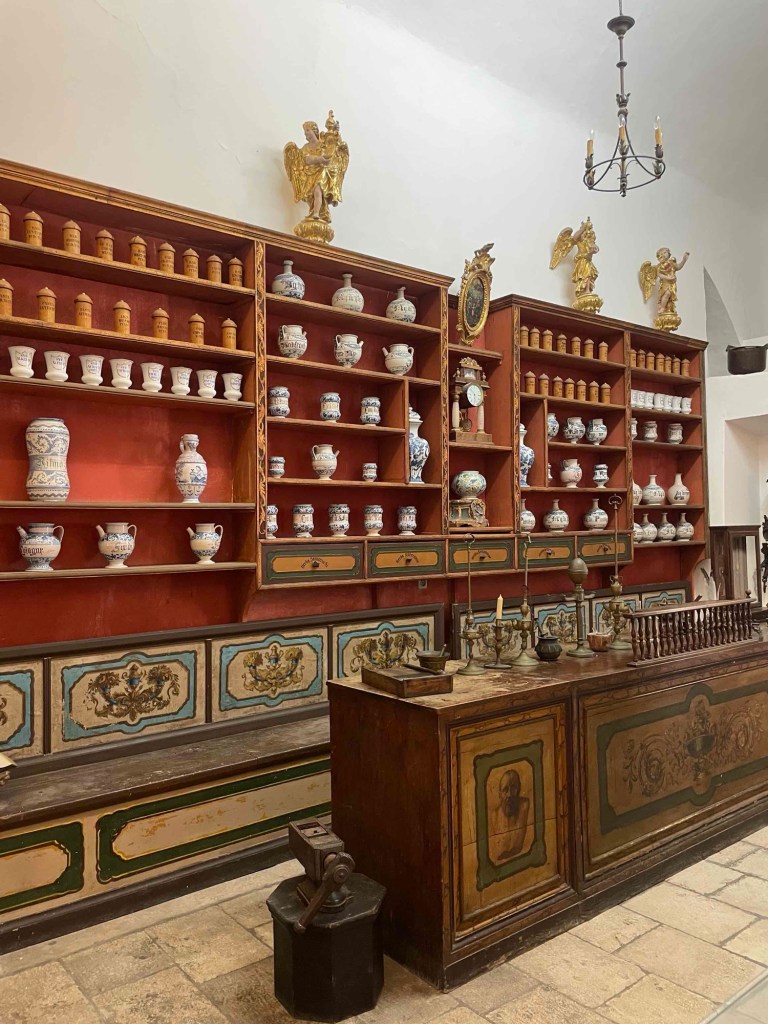
Berührt davon geht es weiter zum Franziskanerkloster. Einmal den Kreuzgang entlang. Es gibt nur eine einzige Ausstellungshalle, in der eine alte Apotheke aufgebaut wurde. Das war’s – für 8 €.
Bleibt uns noch der Srđ-Hügel mit der Festung Imperial, auf den man mit der Seilbahn für 30 € hin und zurück fahren kann. Das sparen wir uns für den Abend auf – zum Sonnenuntergang. Vorher ruhen wir uns noch ein bisschen in der Ferienwohnung aus und nehmen dafür das Auto.
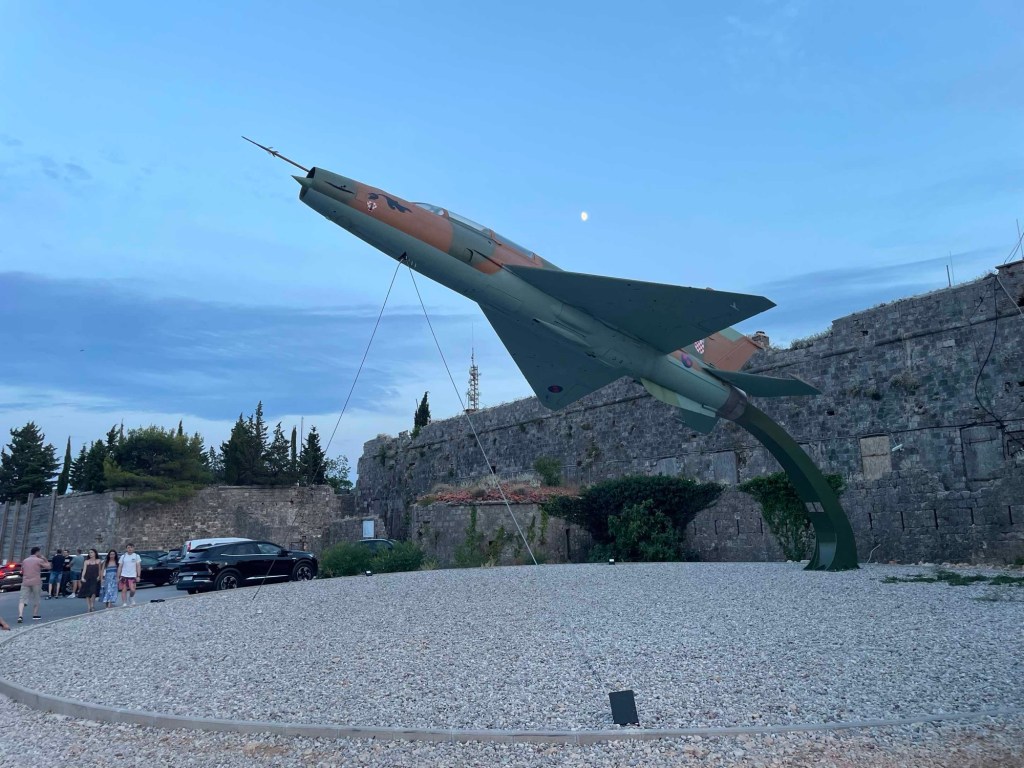
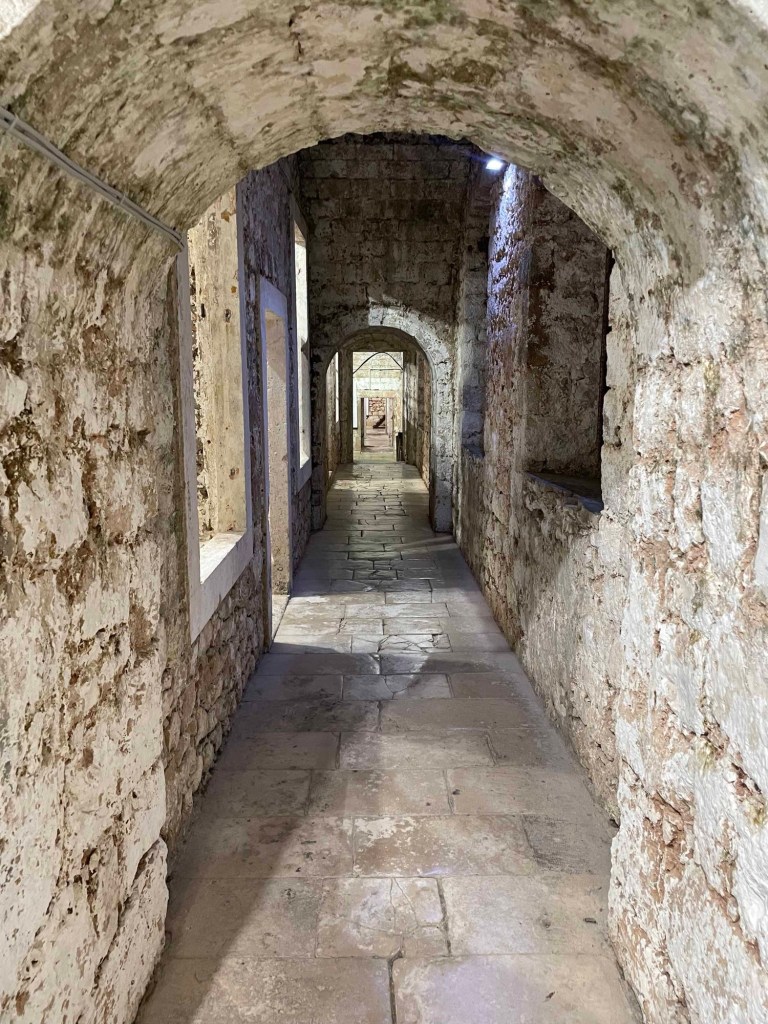
Hinauf schrauben wir den Fiat Tipo auf den Srđ – was für‘n merkwürdiger Name für einen Berg. Aber auch wieder sehr geschichtsträchtig, mit einer Festung, die heute eine Ausstellung zum Krieg und zur Belagerung von Dubrovnik beherbergt.
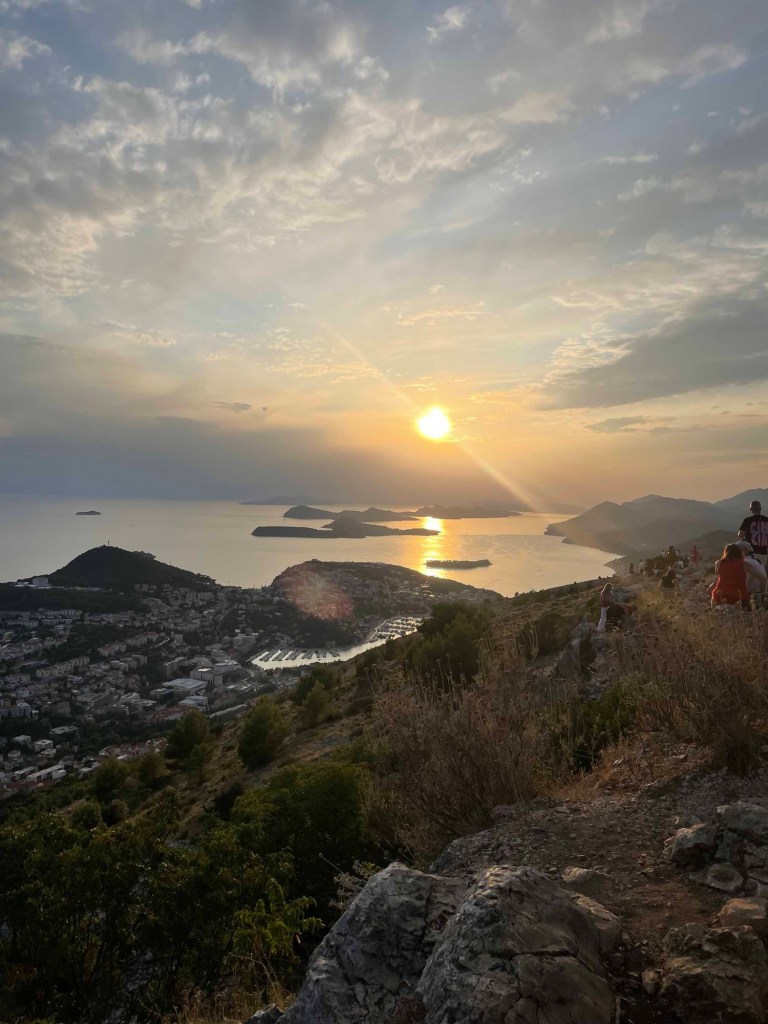
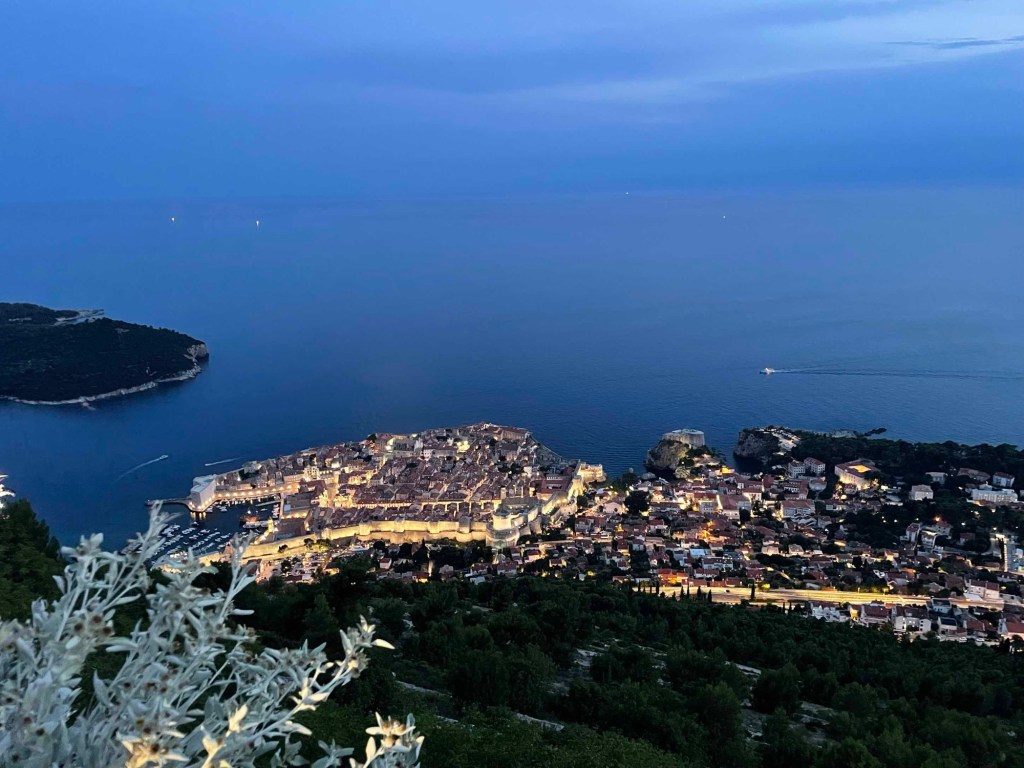
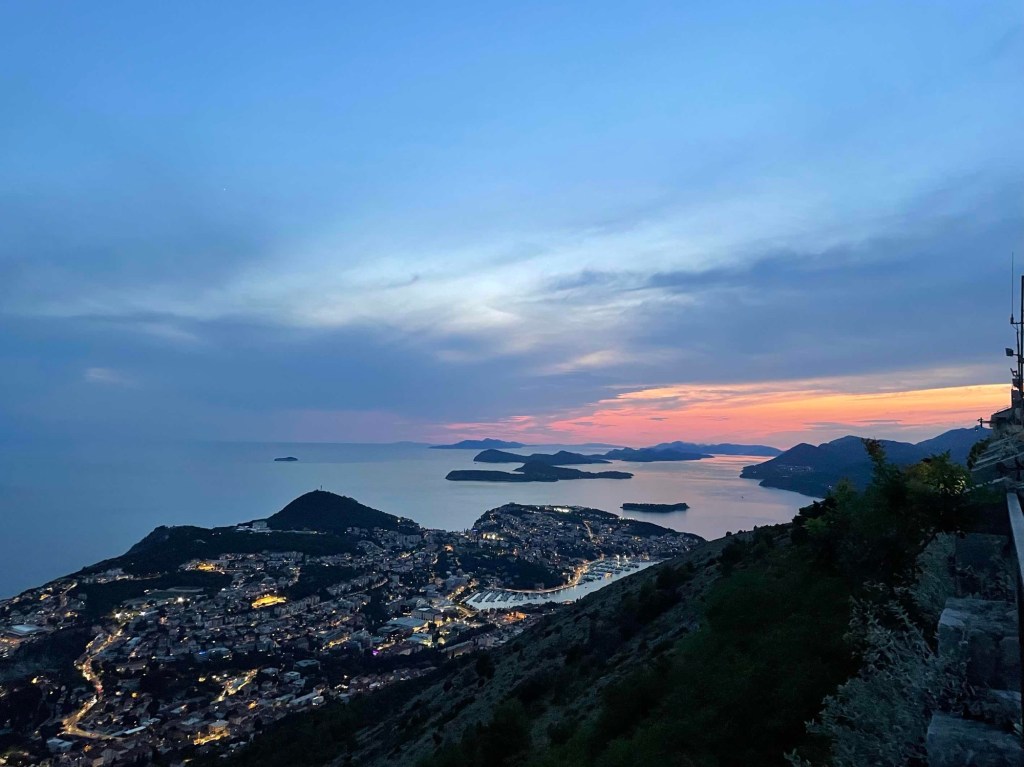
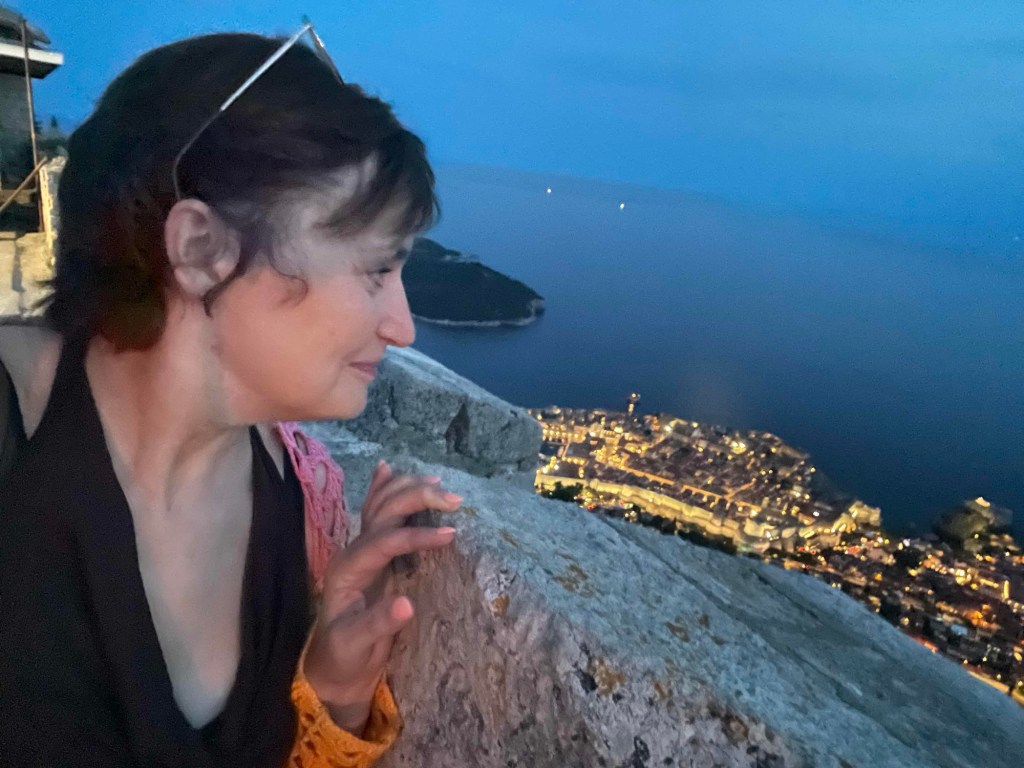
Doch zunächst der Sonnenuntergang, den wir mit hundert anderen vom besten Aussichtspunkt auf Altstadt und Inseln genießen. Die Sonne verschwindet erst hinter einer Wolke, kommt aber eine Viertelstunde vor ihrem Verschwinden noch einmal als roter Feuerball zum Vorschein. Kitsch pur, aber soooo wunderschön. Extra für uns.
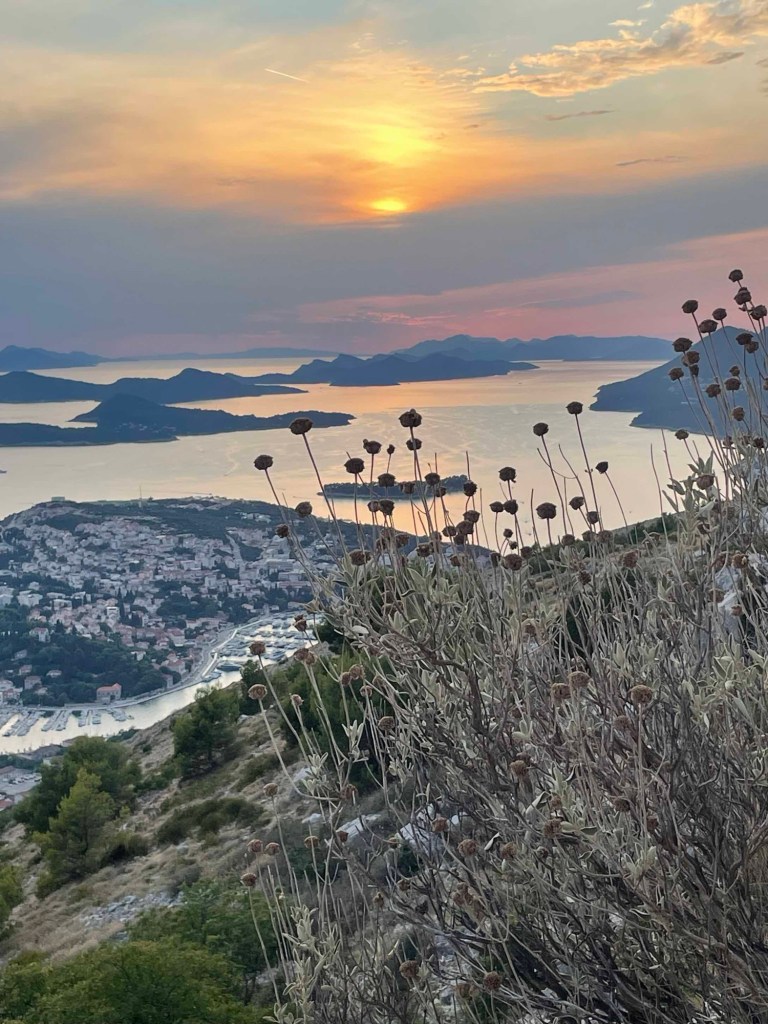
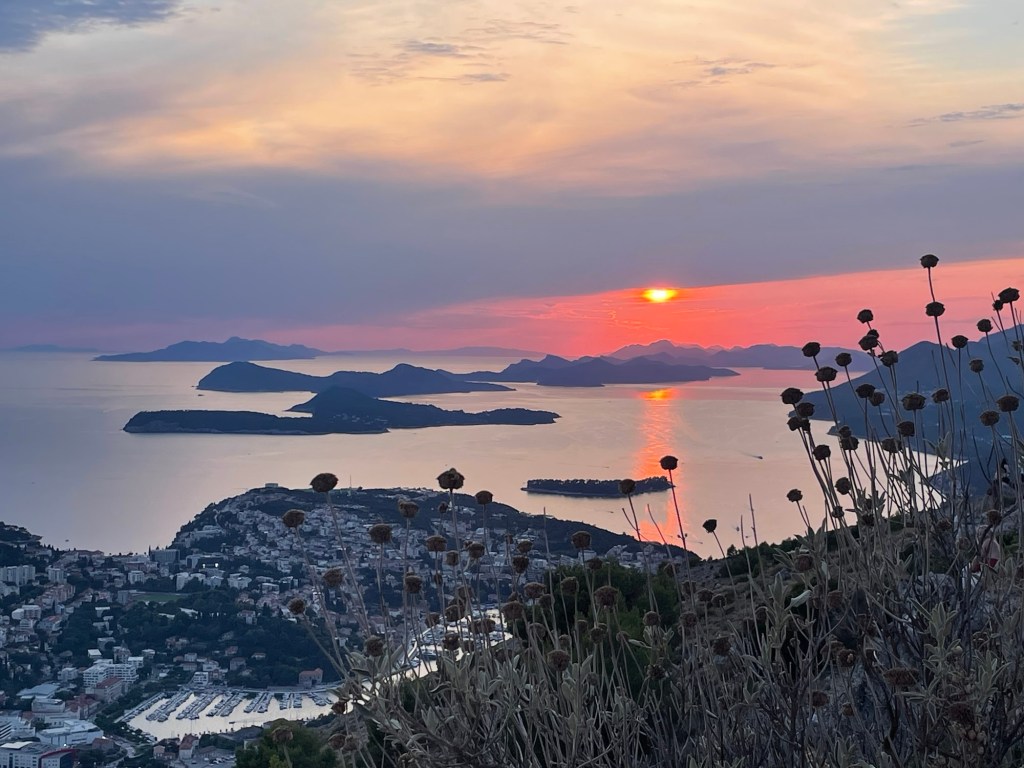
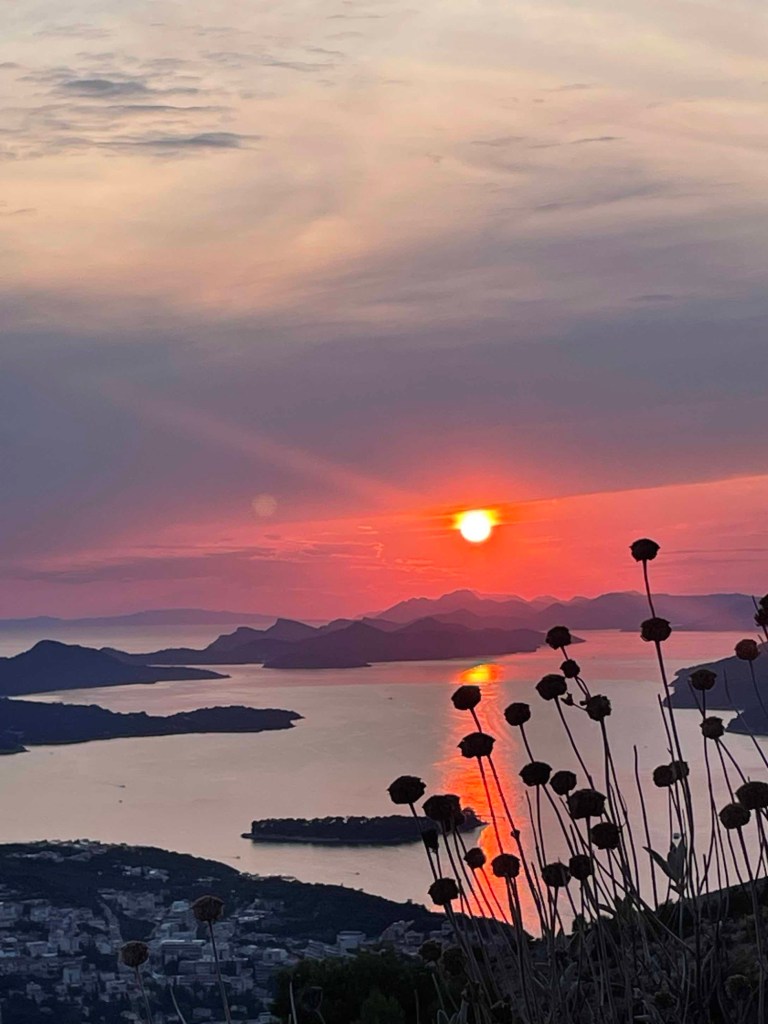
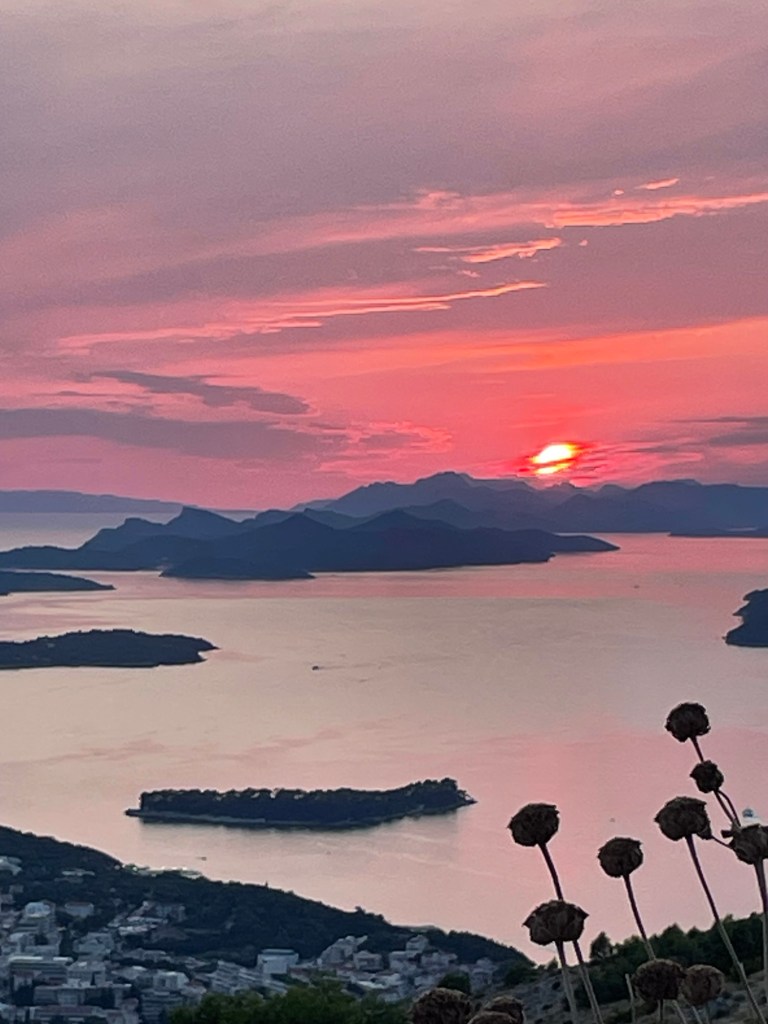
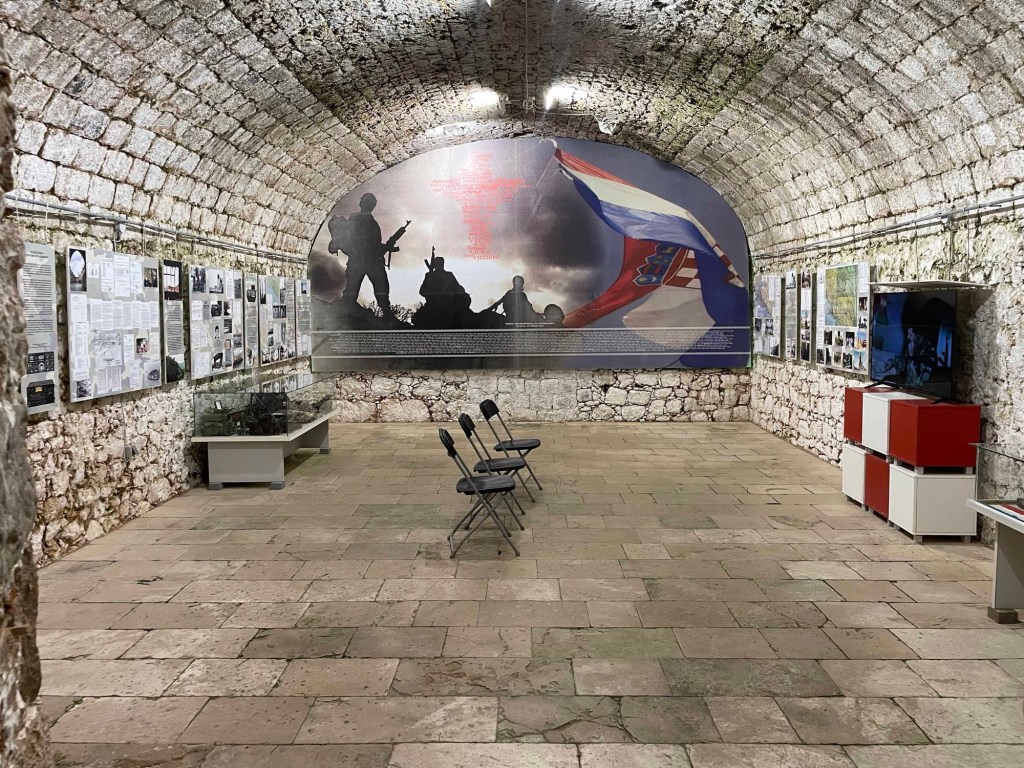
Die besagte Ausstellung in der Festung hat auch nach Sonnenuntergang noch geöffnet. Wir verstehen nicht viel. Fast alles ist auf Kroatisch, nur wenig wurde ins Englische übersetzt – und das ziemlich schlecht. Die Bilder sagen jedoch genug aus. Vom Krieg habe ich jetzt erst einmal genug.
Vorsichtig geht es den Berg wieder hinab. Das war Dubrovnik. Mehr als nur Postkarte und Game of Thrones.
More Than Just King’s Landing – Dubrovnik Beyond the Postcards
Dubrovnik. Cruise ships are anchored even outside the actual harbor. Crowds of tourists. Many wearing wristbands. Towering city walls. Stifling heat. Outrageous prices.
So we take the bus that stops right outside our front door. €10 per hour for parking – who would want to pay that? Even the bus is packed.
Unfortunately, we get off at the wrong stop. Instead of following the crowd, we stay on until we reach the harbor where the cruise ships are docked. Walk two kilometers back? No thanks. We simply hop on another bus to the Old Town instead. It drops us off right in front of the famous Pile Gate. Or should I say, the gate made famous by Game of Thrones?
We follow the crowds into the Old Town and quickly realize that we started our day far too late. But the exhaustion from the last two busy vacation days is still catching up with us. Even I, the early riser, couldn’t get out of bed this morning.
Alex bought a Dubrovnik Pass for €20, which gives us access to several museums (though not all of them) within 24 hours. Our plan: the Rector’s Palace, the Maritime Museum, the Museum of Modern Art, the photo exhibition about the wars of the 1990s, and the Franciscan Monastery. Lots of indoor activities to escape the heat. Even though today is the coolest day of the week: only 28°C.
We skip the supposedly mandatory walk along the city walls. €40 is simply too much for us. It’s just not worth climbing endless stairs under the blazing sun only to collapse in the end.
The Old Town within the walls is just as impressive on its own, with its ancient churches, monasteries, and elegant 17th-century buildings in the simple Dalmatian Baroque style.
You almost slide across the polished limestone pavement. My full attention is on my feet: whatever you do, don’t slip.
Our first stop is the Rector’s Palace. Finally, a bit of relief inside the pleasantly cool stone building. Every now and then, I glance through the windows at Dubrovnik’s narrow streets.
The Maritime Museum is supposed to be our second stop. To get there, we walk through the old harbor. Our search first leads us into the aquarium. €10 admission. Our pass isn’t valid here. That should have made us suspicious. There are only fish to see. The photos online simply don’t match reality.
So we keep looking. The Maritime Museum is located in the same building as St. John Fortress. We can’t find the entrance—or rather, we have no way of getting to it. The only access is from the city walls above, requiring the €40 walls ticket. Frustrating.
Overall, Dubrovnik’s museums don’t receive particularly good Google reviews. The Museum of Modern Art is a disappointment as well. We are the only visitors. The exhibition is very small. There is hardly any signage. We even miss the sculptures and have to go back. But even those stand there without any explanation.
The photography exhibition about the Siege of Dubrovnik is by far the most powerful museum we visit. It’s hard to imagine what this city looked like in 1991. I am deeply moved by the photographs from Croatia, Bosnia, and Kosovo. What people were still capable of after Hitler. What they still are. As I watch the accompanying slideshow, I think of a boy—a student from Bosnia—who had to live through all of this as a child: executions in the schoolyard, buses full of refugees, not all of whom ever reached their destination alive. And now here are the photographs, even in color. Tears fill my eyes.
Still affected, we continue to the Franciscan Monastery. We walk once around the cloister. There is only a single exhibition room displaying an old pharmacy. That’s it—for €8.
One thing remains on our list: Srđ Hill with Fort Imperial, reached by cable car for €30 round trip. We save that for the evening, hoping to catch the sunset. Before that, we head back to our apartment for a little rest and take the car there.
We wind the Fiat Tipo up Mount Srđ – what a strange name for a mountain. Then again, it’s a place steeped in history, crowned by a fortress that now houses an exhibition about the war and the siege of Dubrovnik.
But first, the sunset. Together with a hundred others, we enjoy it from the best viewpoint overlooking the Old Town and the islands. At first, the sun disappears behind a cloud, only to reappear about fifteen minutes before finally setting as a glowing red fireball. Pure cliché, but sooo beautiful. Just for us.
The exhibition inside the fortress is still open after sunset. We don’t understand much. Almost everything is in Croatian, with only a little translated into English, and not particularly well. The photographs, however, speak for themselves. I’ve had enough of war for now.
Carefully, we make our way back down the mountain. That was Dubrovnik. More than just postcards and Game of Thrones.


Kommentar verfassen