Wer braucht schon die Chinesische Mauer?
Ganz klar. In Kroatien braucht man die nicht. Hier gibt es die zweitlängste Mauer der Welt. In Ston. Ca. 50 km von Dubrovnik entfernt in Richtung Split. Weit weg vom Königshype und Kreuzfahrtschiffen.
Und dabei sah es heute Morgen gar nicht nach Mauererklimmen aus. Ich wurde um 6 Uhr von einem komischen Geräusch geweckt. Irgendetwas knallte zu Boden. Sturm! Blick auf die Terrasse: Die Tischdecke war mitsamt Tisch kurz davor abzuheben, auf dem Boden lag die Wäsche vom Wäscheständer verteilt. Selbst ohne Brille sah ich die weißen Schaumkronen der Wellen auf dem Meer. Schnell wieder ins Bett. Weiterschlafen. Den 7-Uhr-Weckruf ignorierte ich. Bei solchem Wetter lasse ich mich nicht von der Mauer fegen.
Frühstück zum ersten Mal drinnen. Der Kaffee wäre draußen sonst wo gelandet. Wir gehen es ruhig an. Der Wind wird etwas schwächer, ist aber immer noch ordentlich böig.
Erst am Nachmittag raffen wir uns auf und fahren ca. eine Stunde bis nach Ston, immer an der kroatischen Küste entlang. Süße kleine Badebuchten laden zum Baden ein. Doch erst die Arbeit, dann das Vergnügen.
Wir hatten noch keine Vorstellung, was uns in Ston erwartet. Eine Mauer. Die längste Europas. Auf der gesamten Route gab es nicht ein einziges Hinweisschild darauf. Sämtliche Paläste und Klöster werden auf großen Bannern angepriesen. Die Mauer von Ston findet dagegen noch nicht einmal im orangenen Loose-Balkan-Reiseführer eine genaue Beschreibung. Nur: längste Mauer Europas. Kein Bild, keine weiteren Informationen.
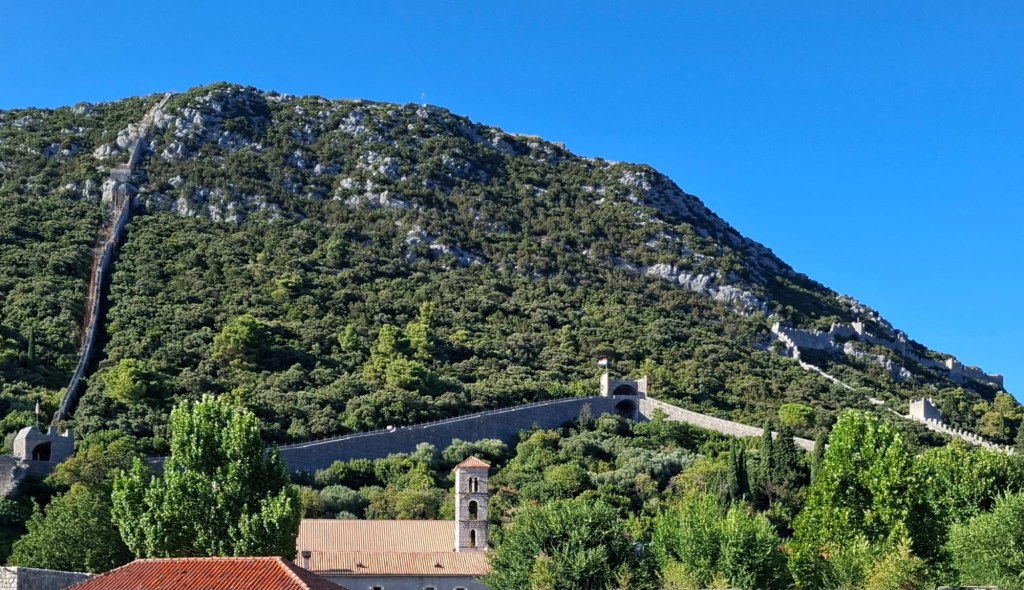
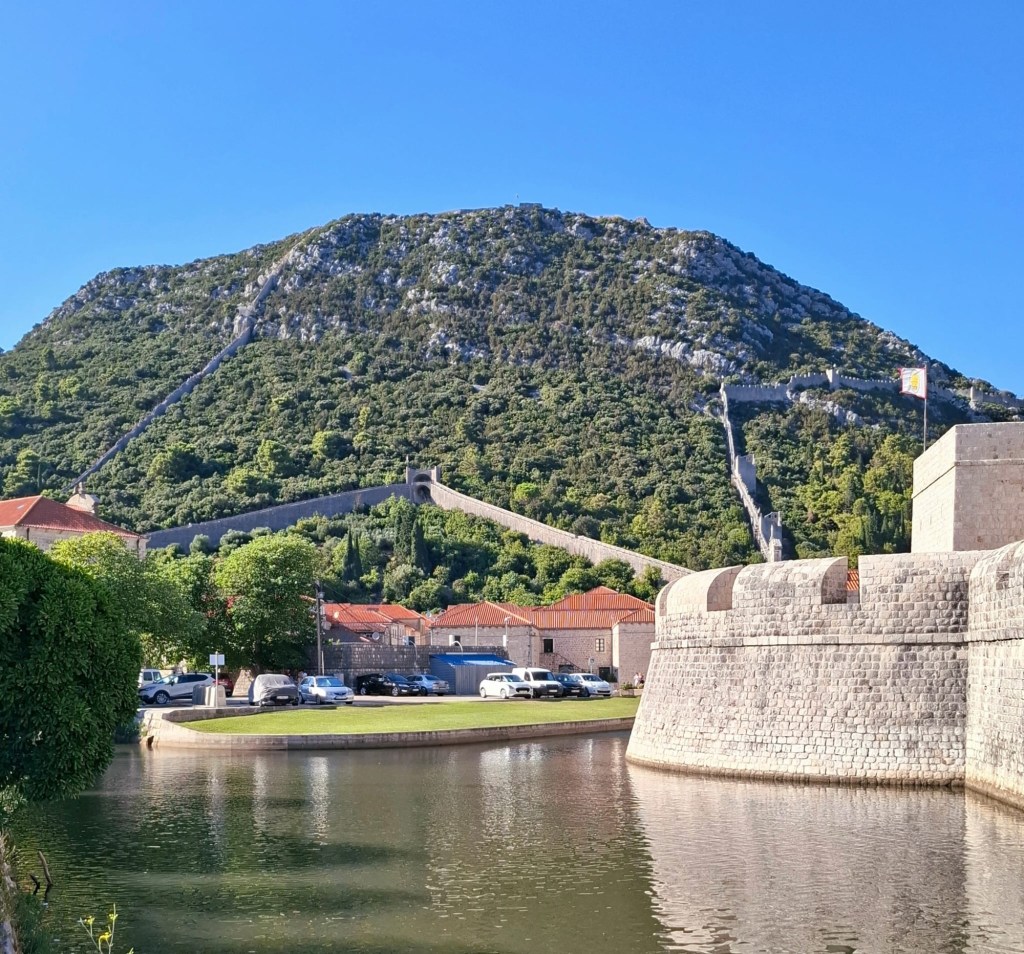
Vielleicht ganz gut so. Ein Geheimtipp, den ich von einem Kollegen bekommen habe.
Parkplatz leicht zu bekommen, faire Preise. Eintritt ebenfalls fair. Die Mauer zieht sich auf beiden Seiten den Berg hinauf. Der linke Abschnitt geht ziemlich steil nach oben, der rechte auch, aber nicht ganz so krass.
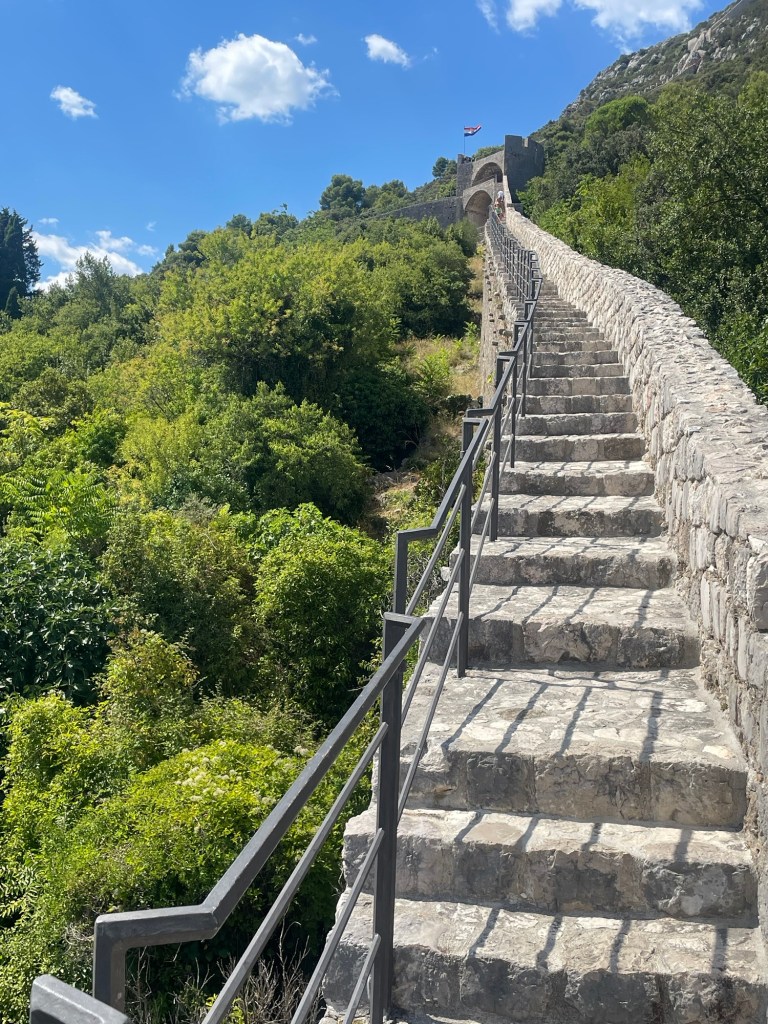
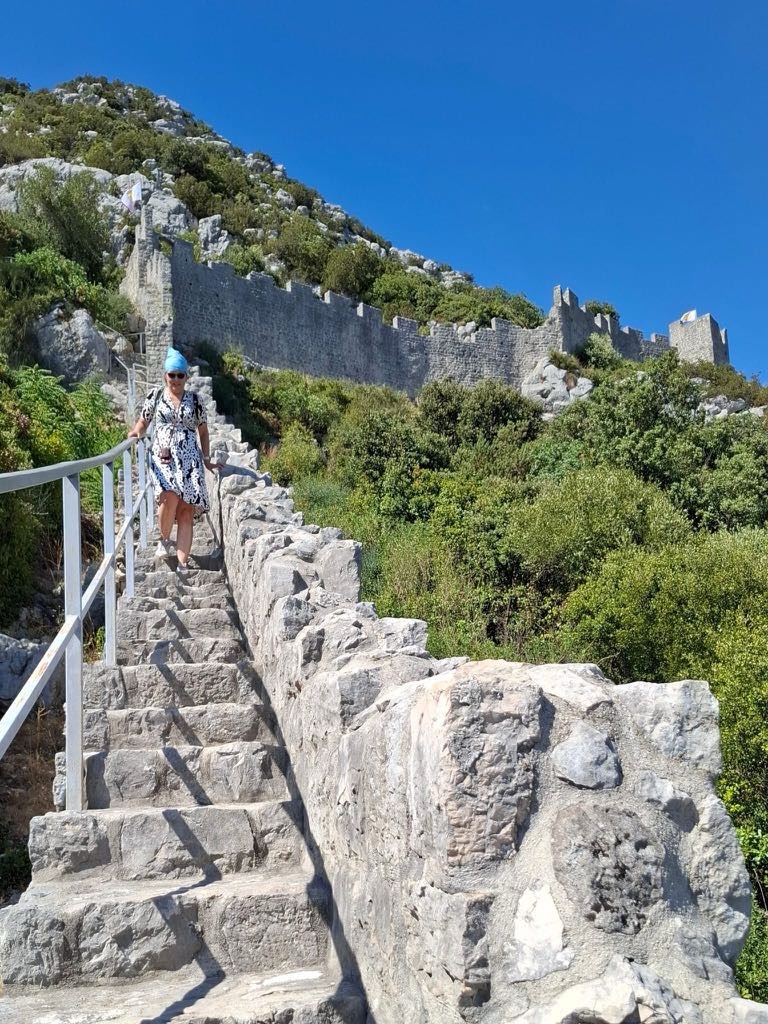
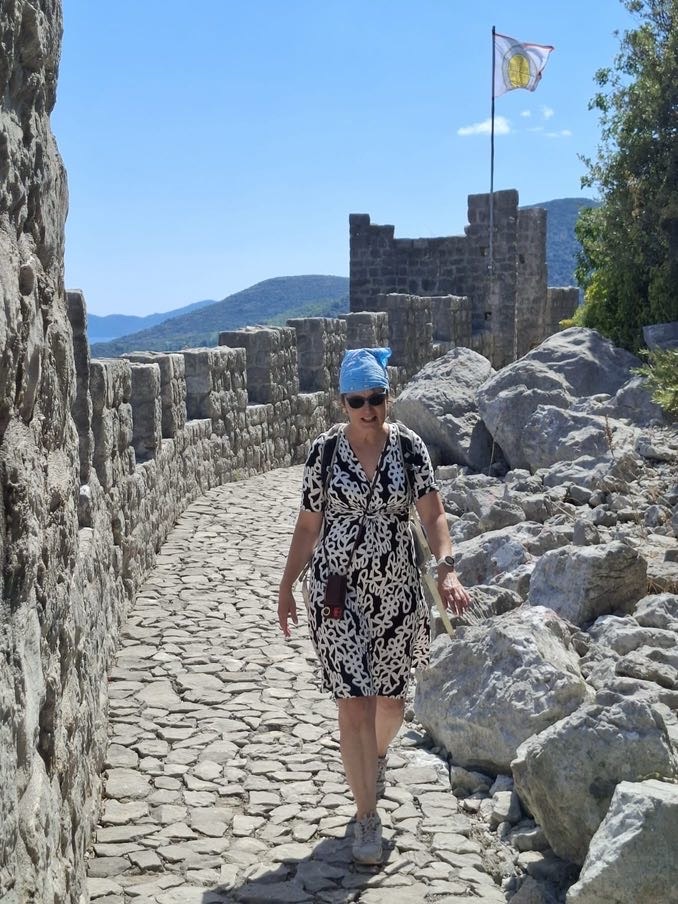
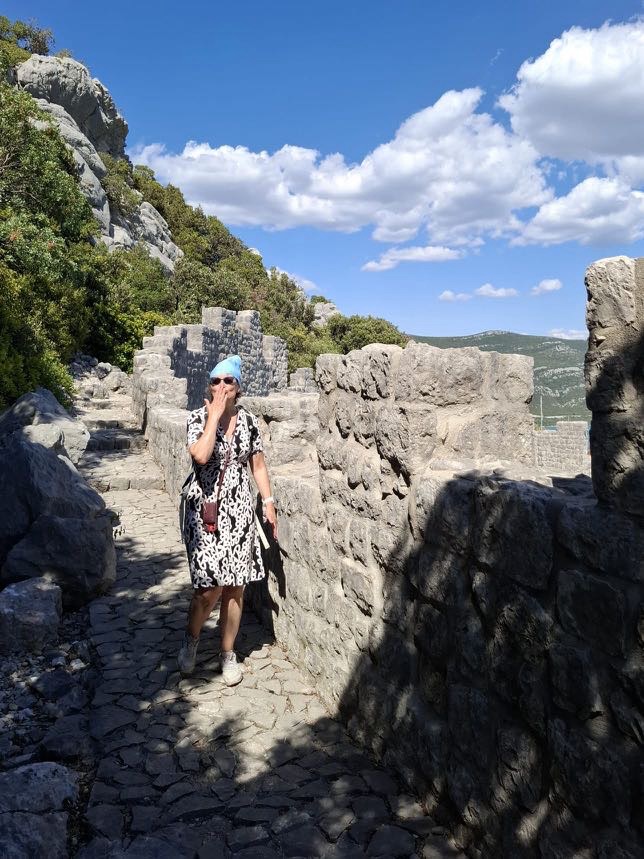
Wir beginnen rechts und kraxeln die Stufen hinauf. Rechts die Mauer, links ein nachträglich angebrachtes Eisengeländer zum Festhalten für fußgeschädigte Wackelkandidaten. Es weht eine leichte Brise, die Sonne scheint, strahlend blauer Himmel. Wasserflaschen haben wir natürlich dabei.
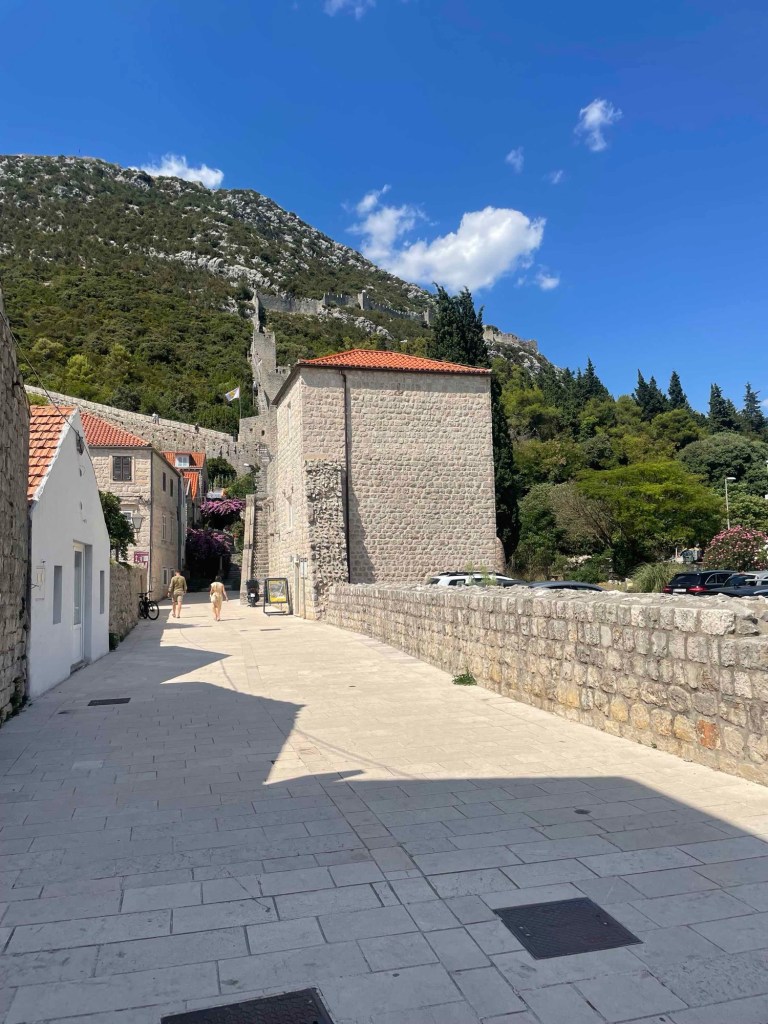
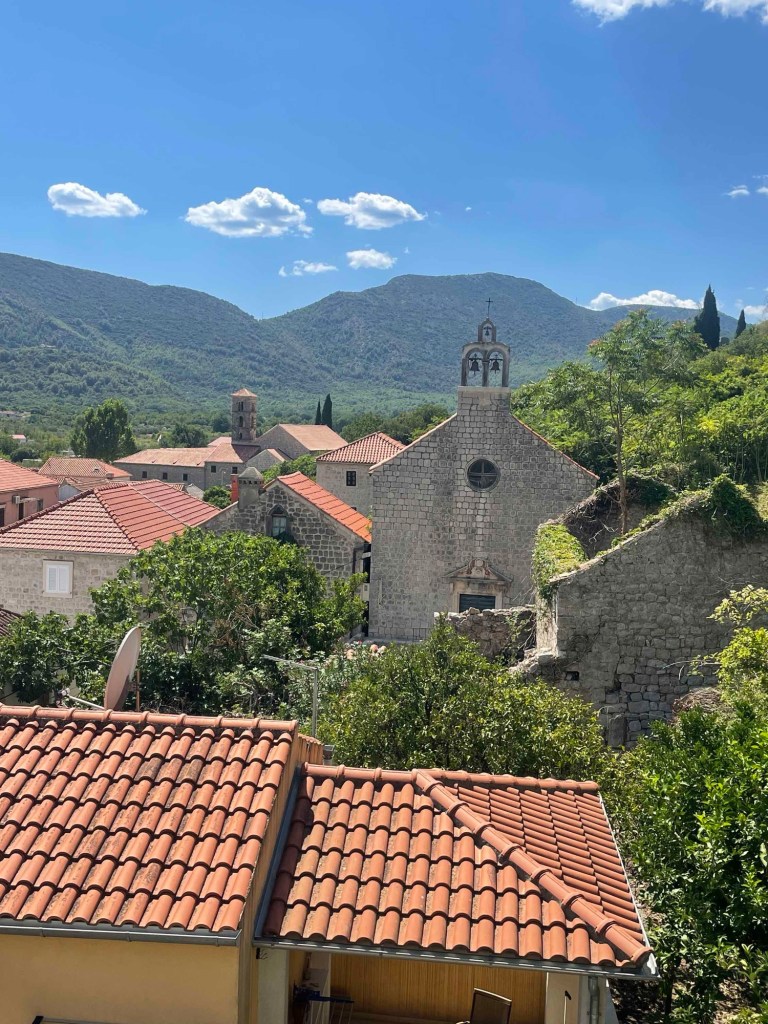
Zwischenstation zum Wassertrinken und für eine kurze Verschnaufpause. Wir fragen ChatGPT, was es mit der Mauer auf sich hat, denn es gibt keinerlei Beschreibung. Nix. Wirklich der reinste Geheimtipp. Wir treffen unterwegs auch nur auf ein paar Kroaten.
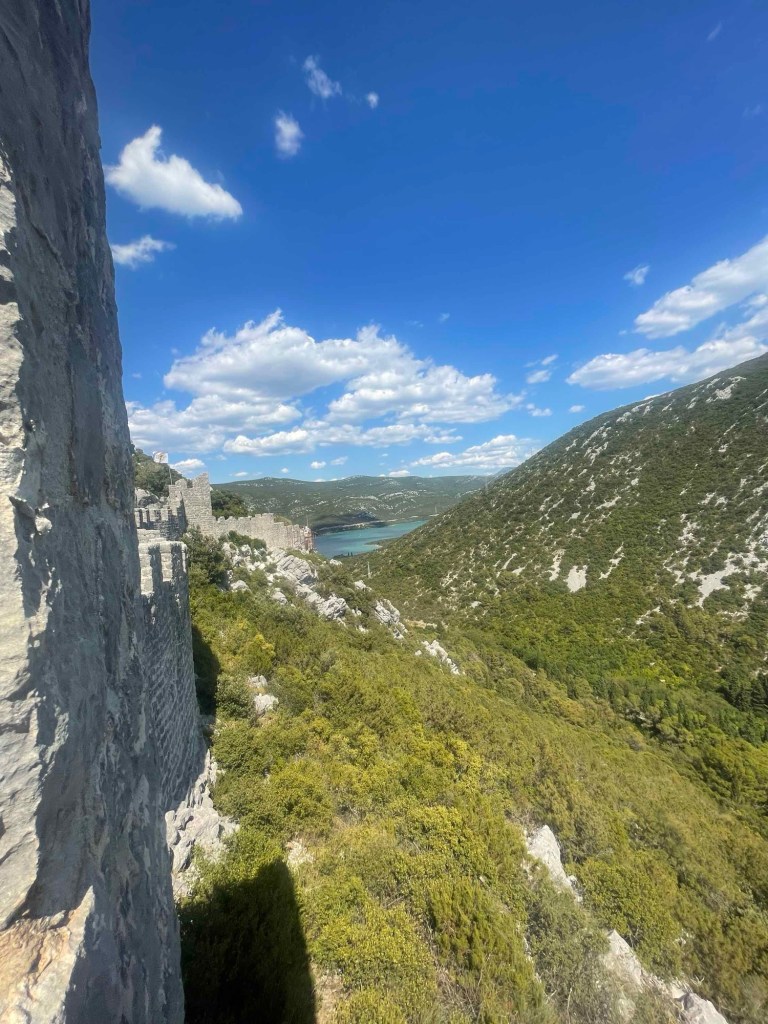
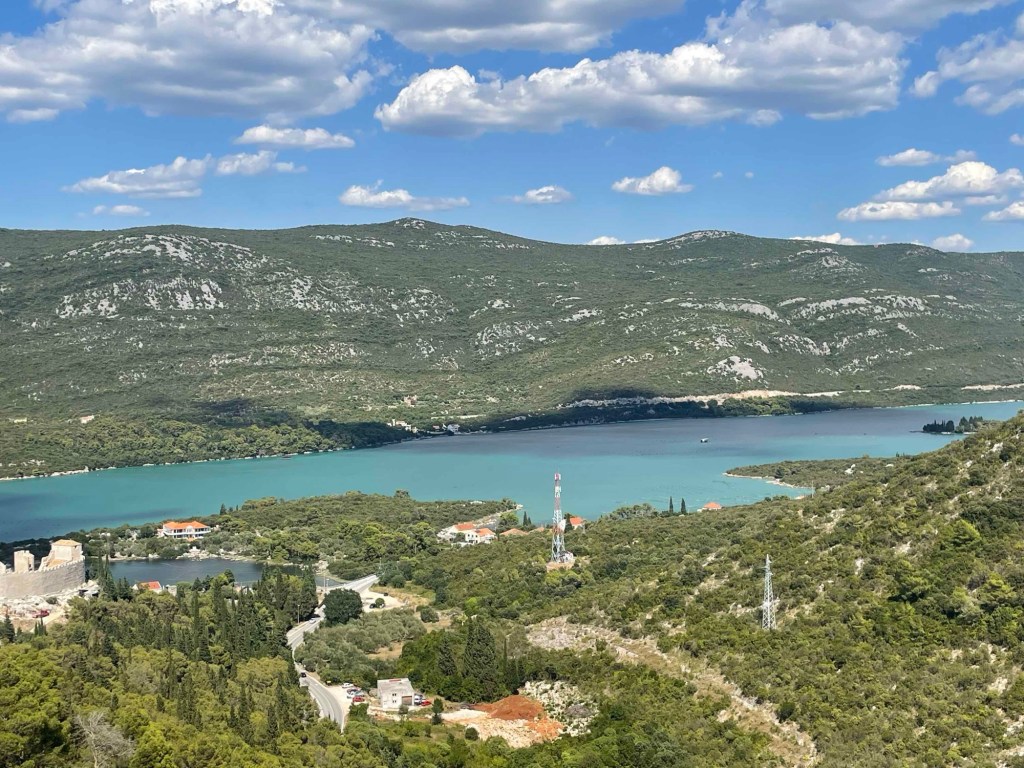
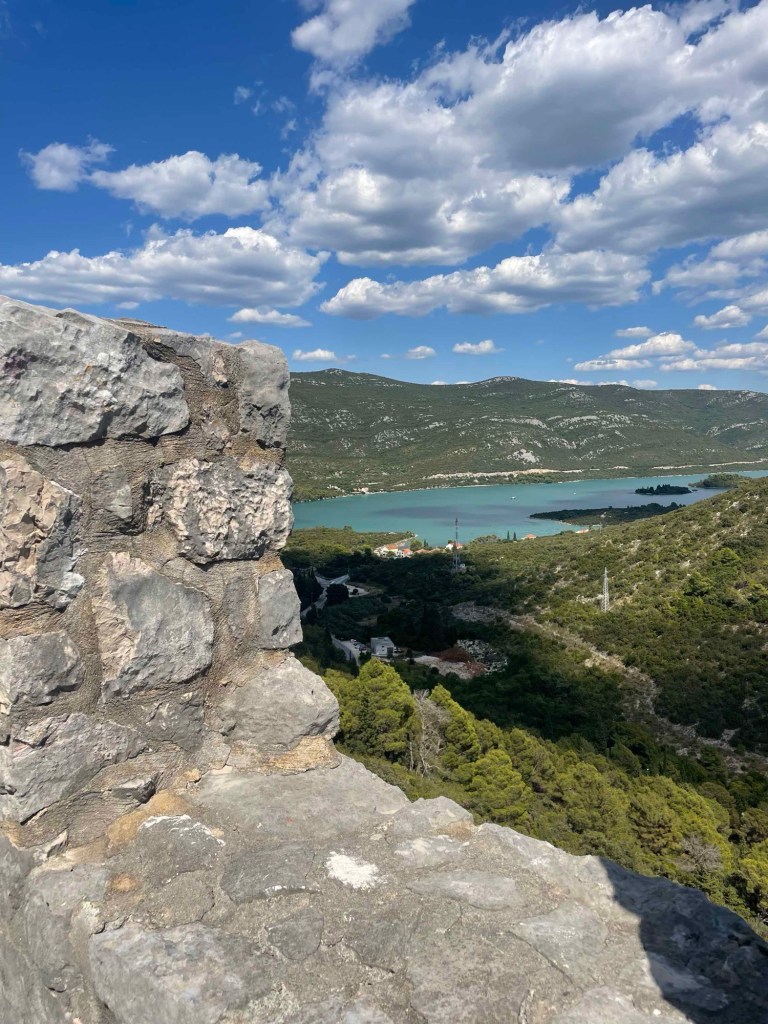
Und das sagt die KI: Sie entstand ab 1333, um die wertvollen Salinen vor Angreifern zu schützen. Die Mauer sicherte die schmale Landenge der Halbinsel Pelješac gegen Angriffe aus dem Hinterland. Im 14. und 15. Jahrhundert drohten vor allem Überfälle benachbarter Herrschaften auf dem Balkan, später insbesondere durch das expandierende Osmanische Reich. Das gesamte Befestigungssystem ist über sieben Kilometer lang. Heute sind noch etwa 5,5 Kilometer erhalten und restauriert. Weitere Abschnitte werden nach und nach wieder aufgebaut. Die Anlage besteht aus rund 40 Türmen, fünf Festungen und zahlreichen Bastionen.
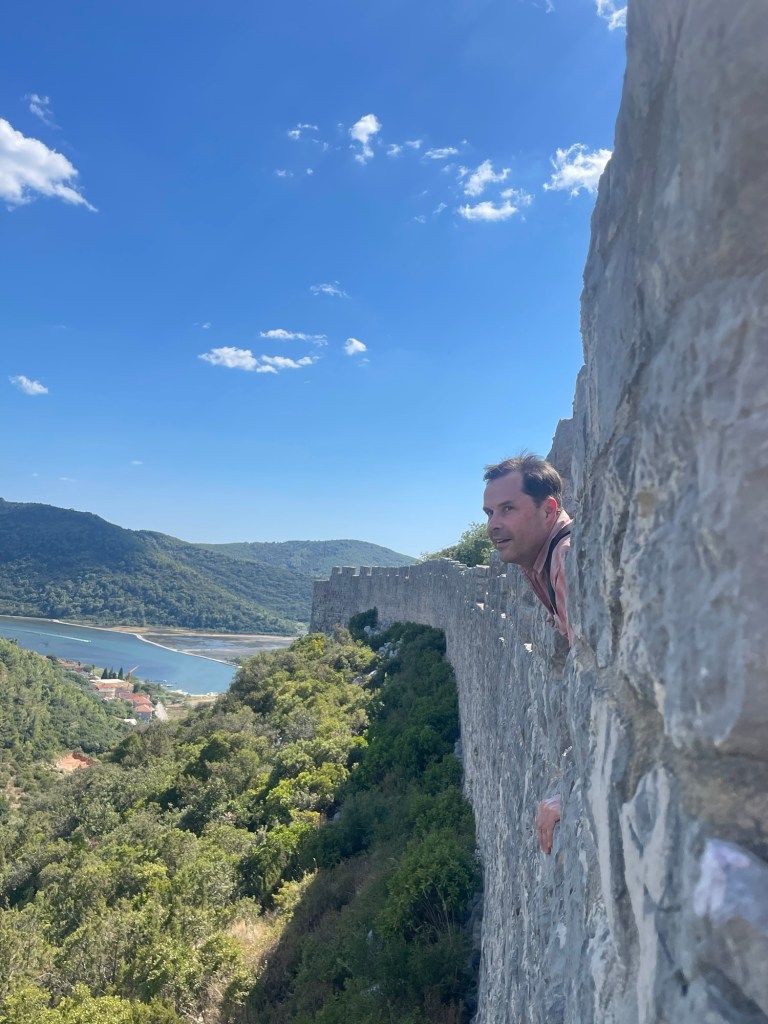
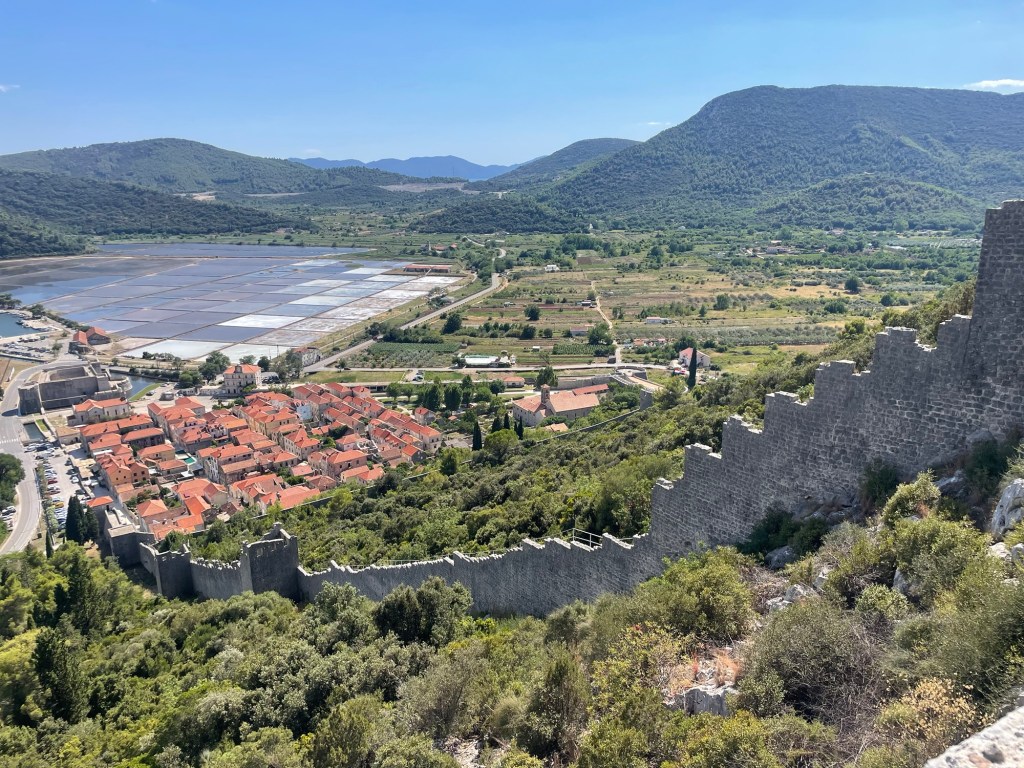
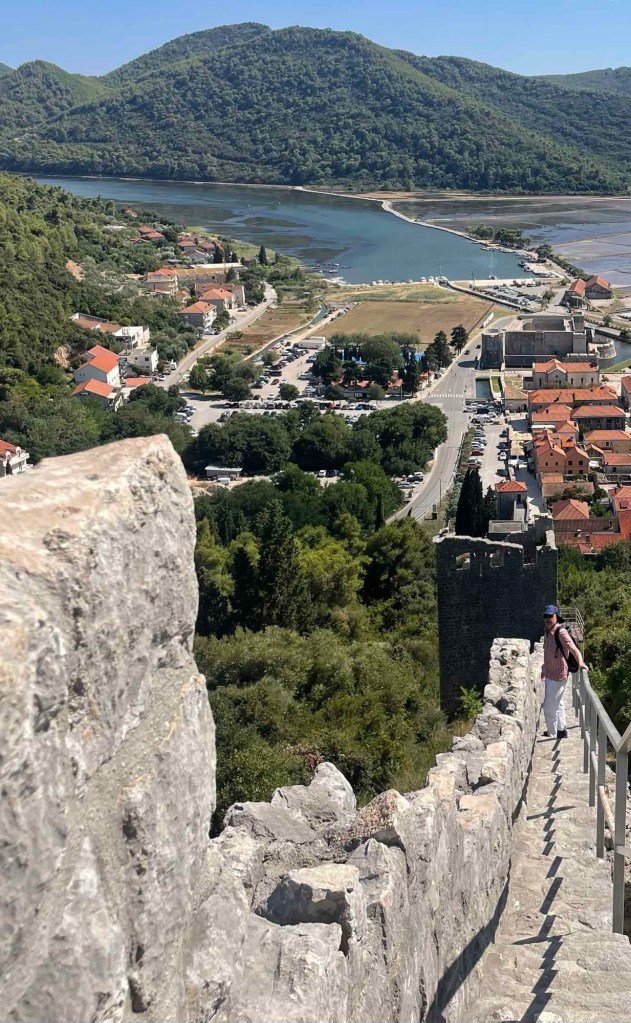
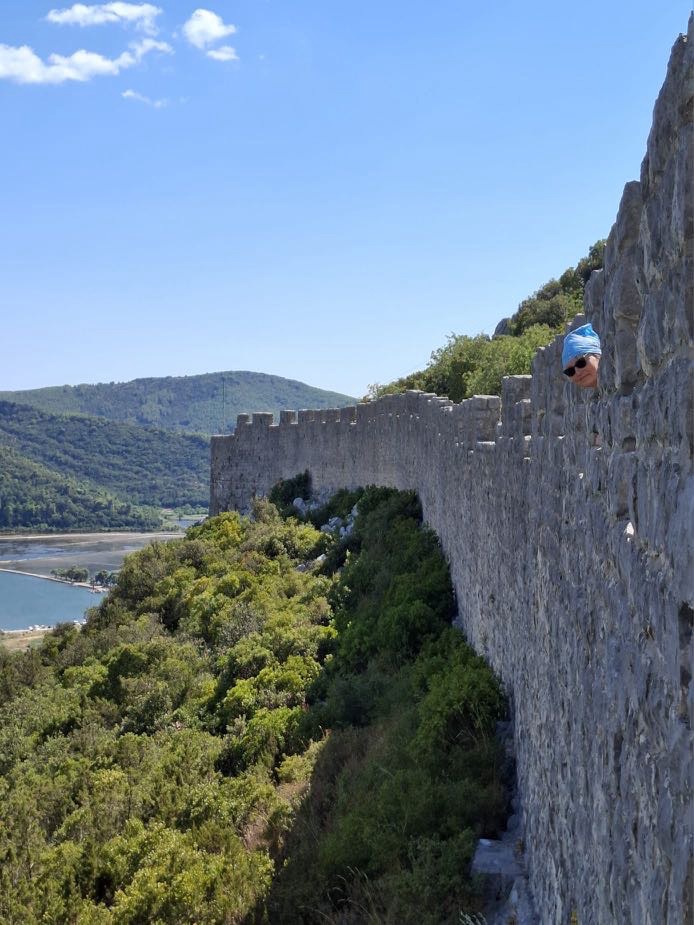
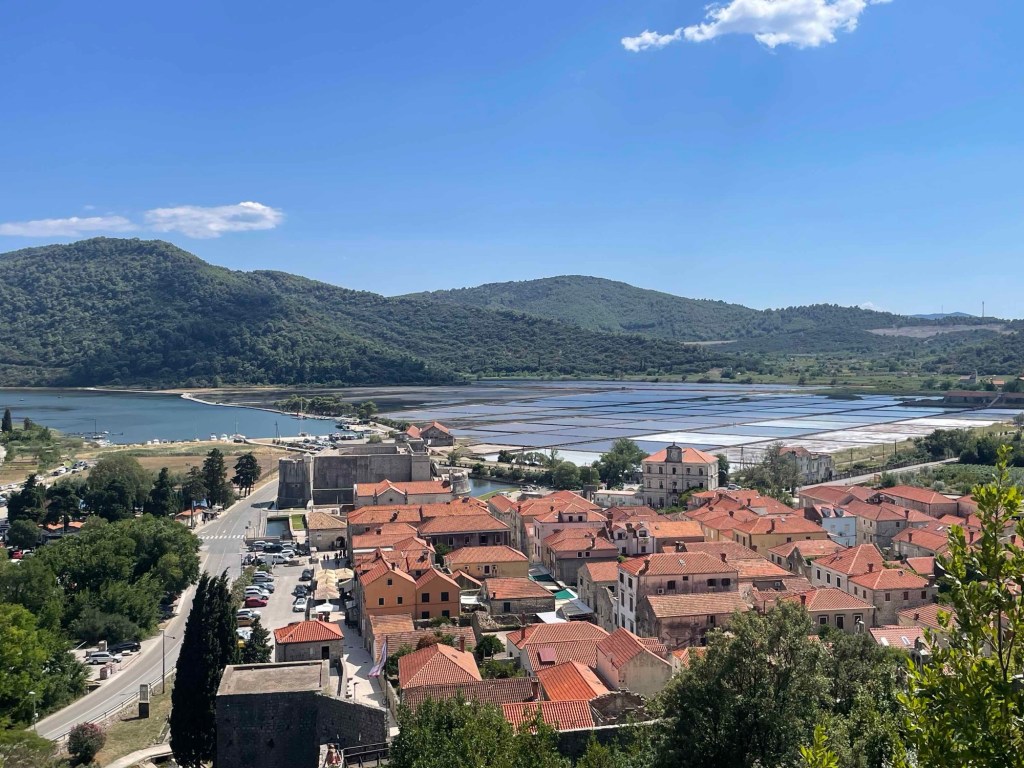
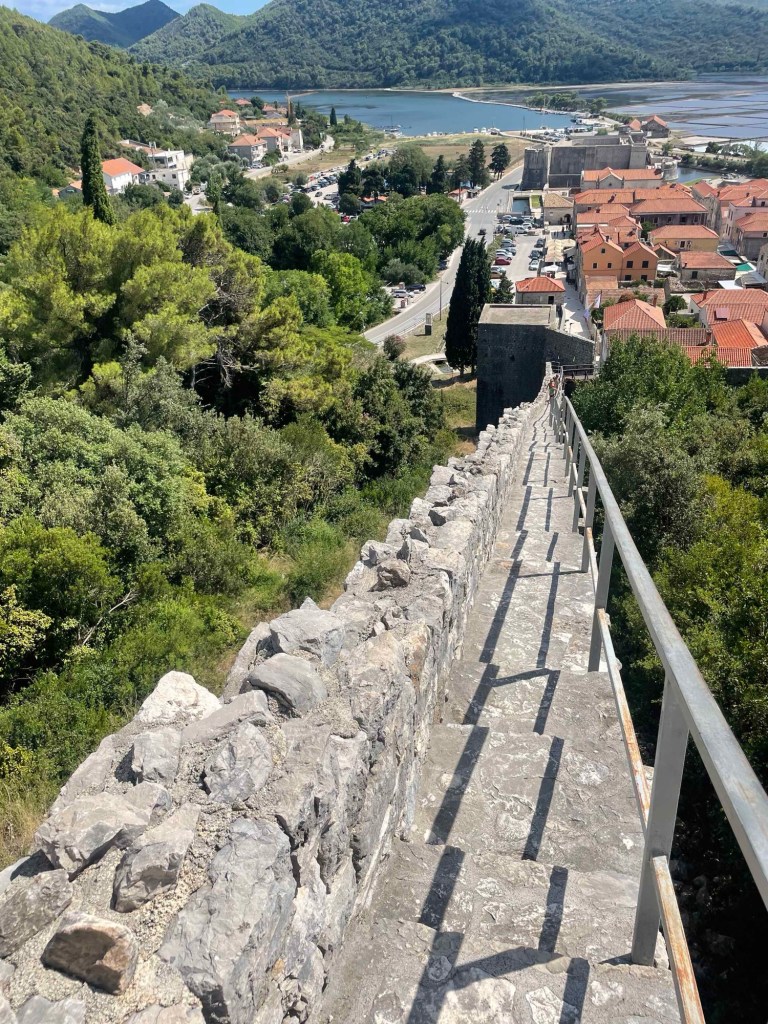
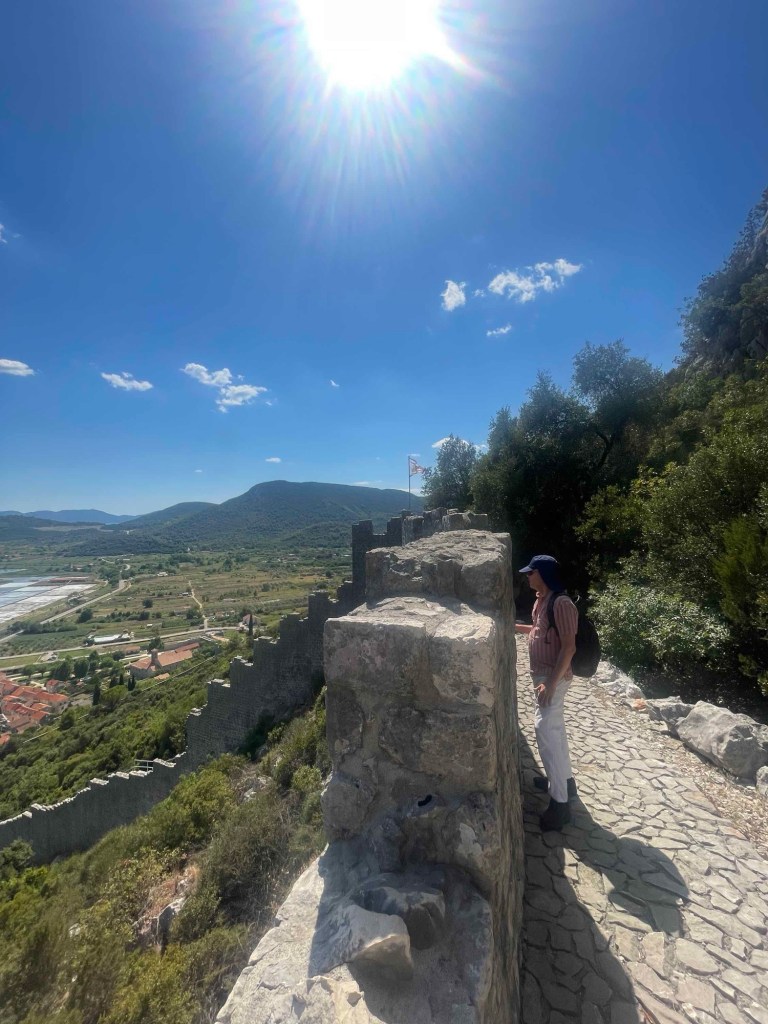
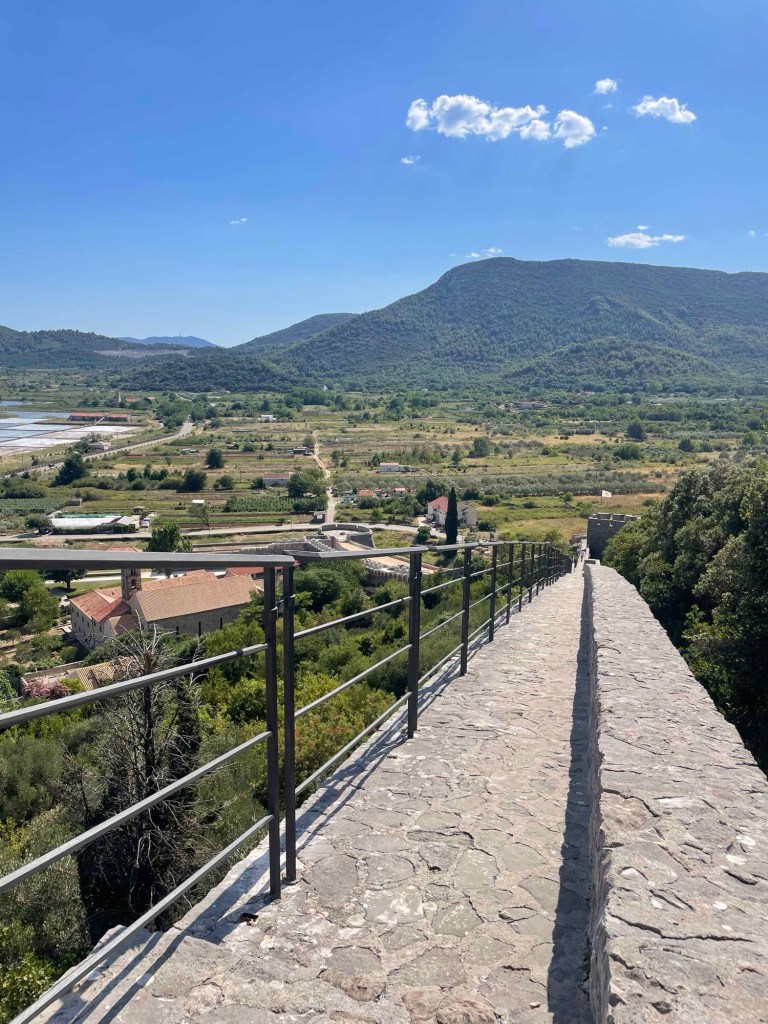
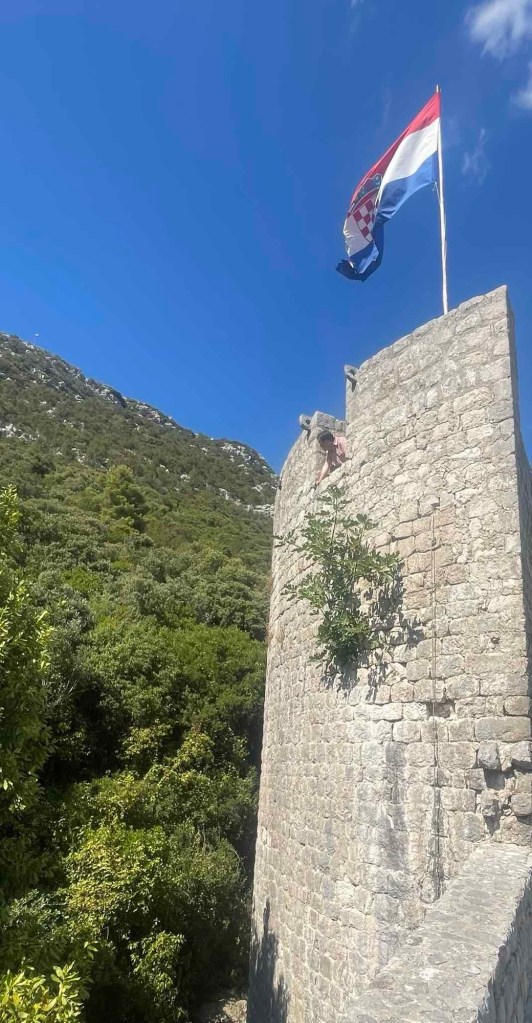
Wir legen einige Höhenmeter zurück und genießen die Aussicht in alle Richtungen: auf die Salinen, die heute noch in Betrieb sind, auf die Bucht von Mali Ston mit ihren Austernfarmen und auf den anderen Teil der Mauer, der weiter hinauf zum höchsten Punkt führt. Dort kommt man allerdings noch nicht hin.
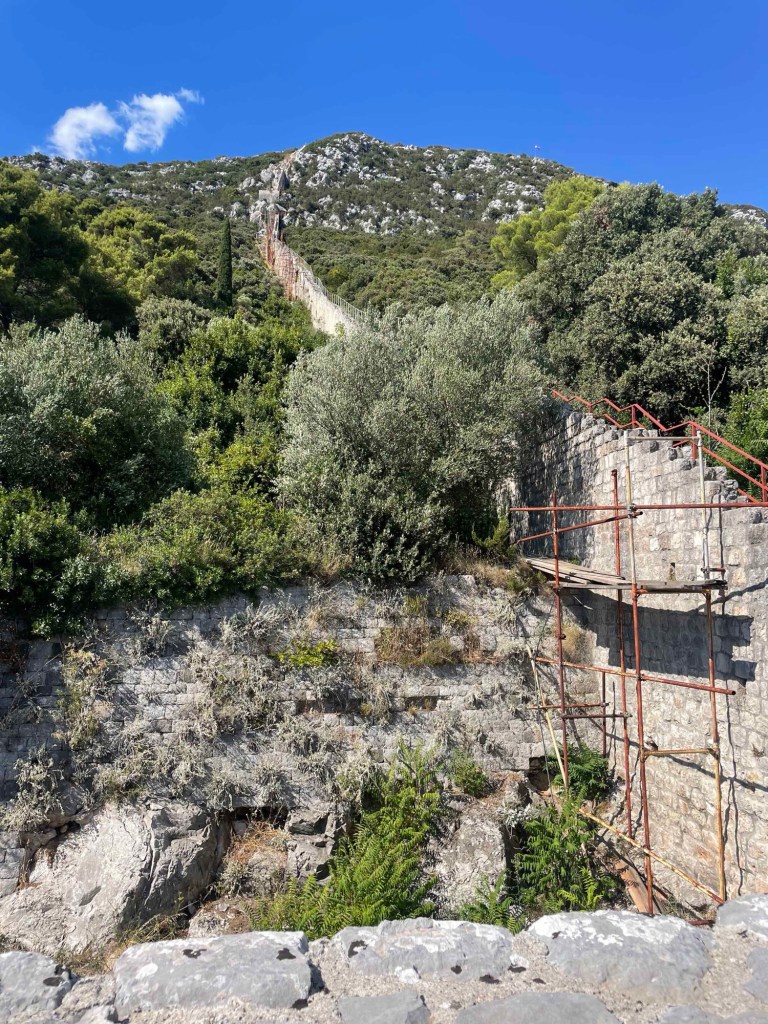
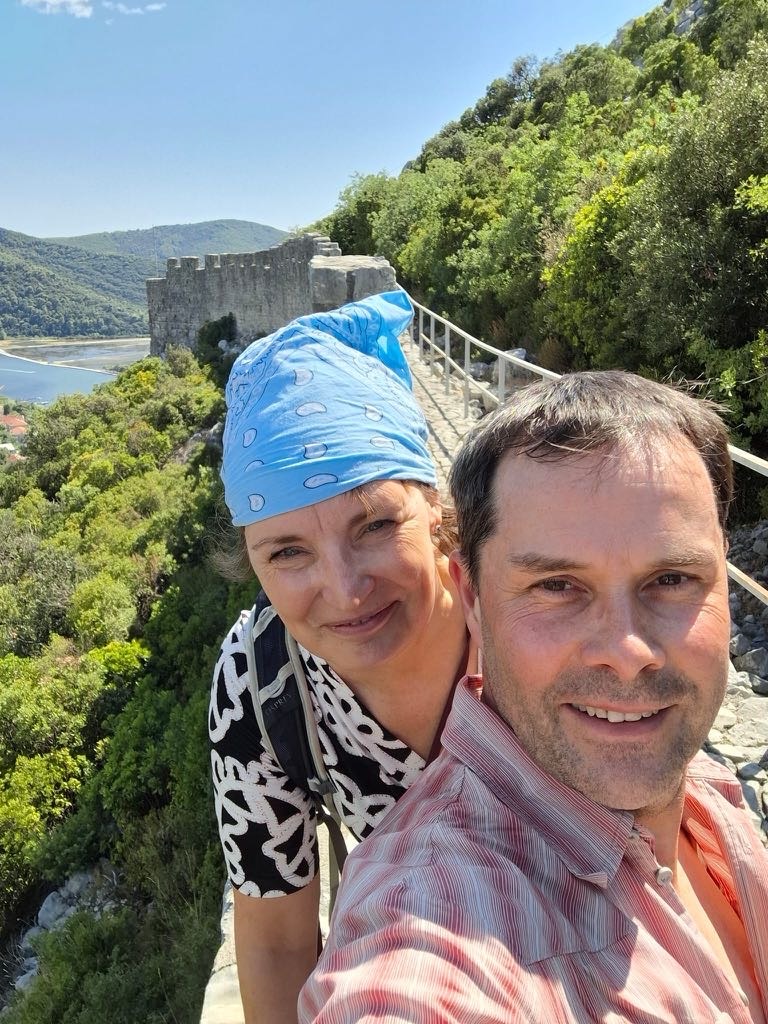
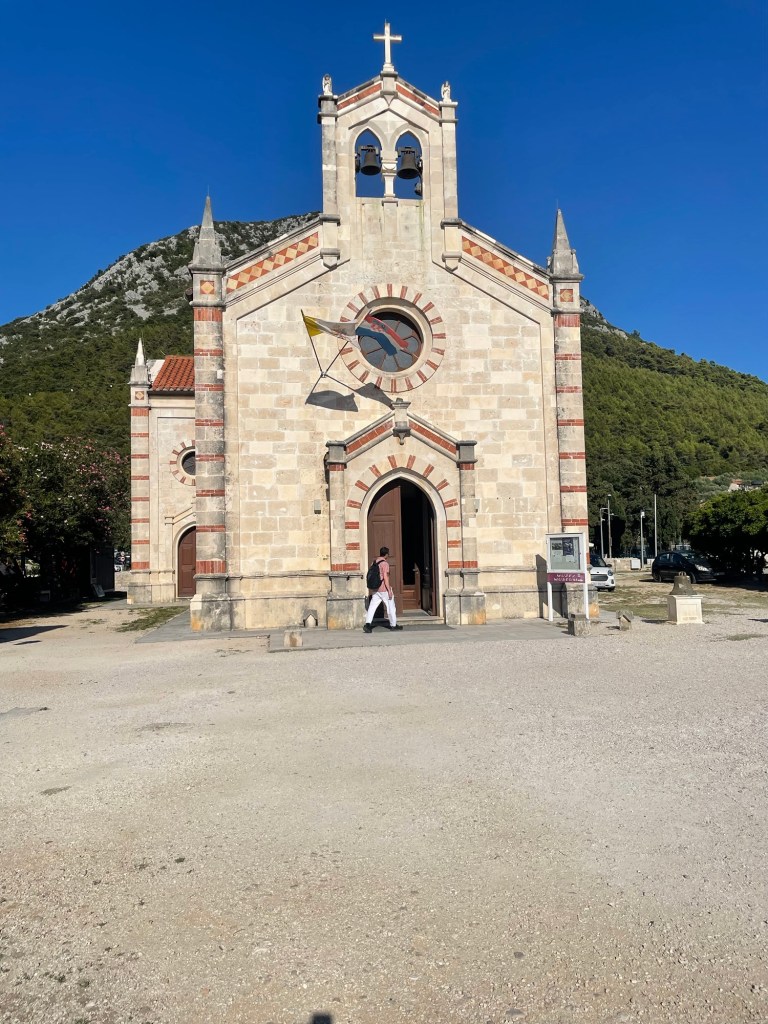
Der Schweiß tropft. Das T-Shirt ist nass. Es hat sich so gelohnt. Wir spazieren noch durch den niedlichen kleinen Ort Ston und lassen die Ruhe auf uns wirken. Es ist kaum etwas los. Einige Häuser sind hübsch hergerichtet, andere verfallen. Der Ort liegt einfach zu weit ab von den Touri-Hotspots. Man kann nur hoffen, dass er überlebt. Vielleicht ist Ston in ein paar Jahren kein Geheimtipp mehr und die Menschenmassen überrollen den Ort und machen ihn kaputt.
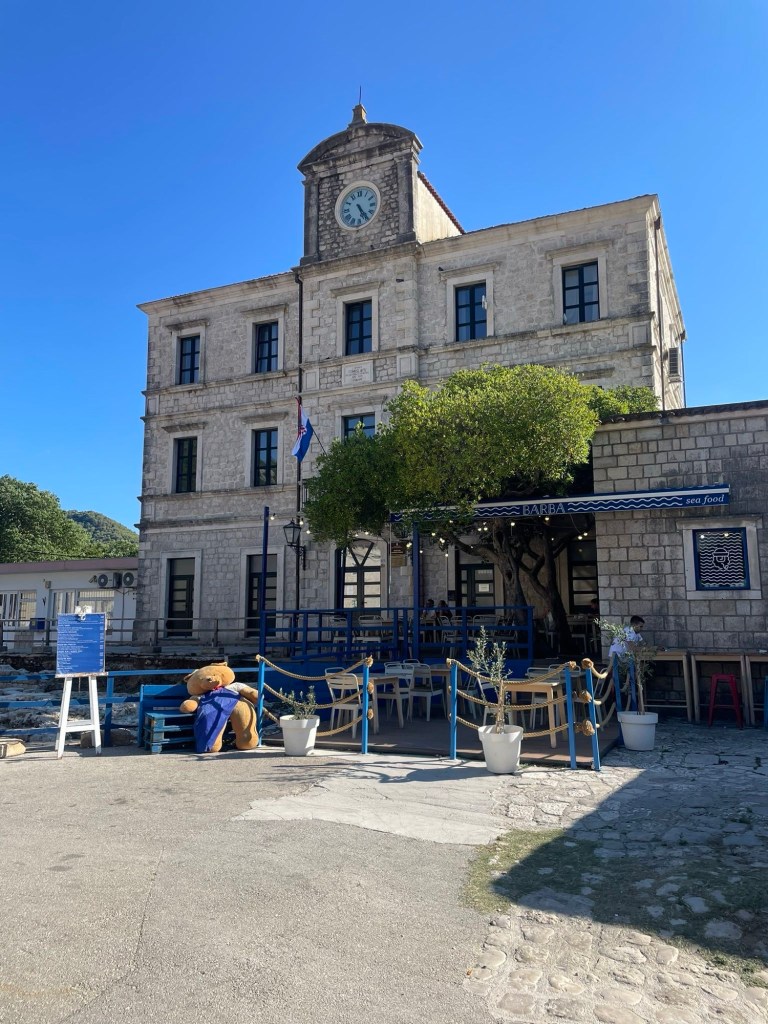
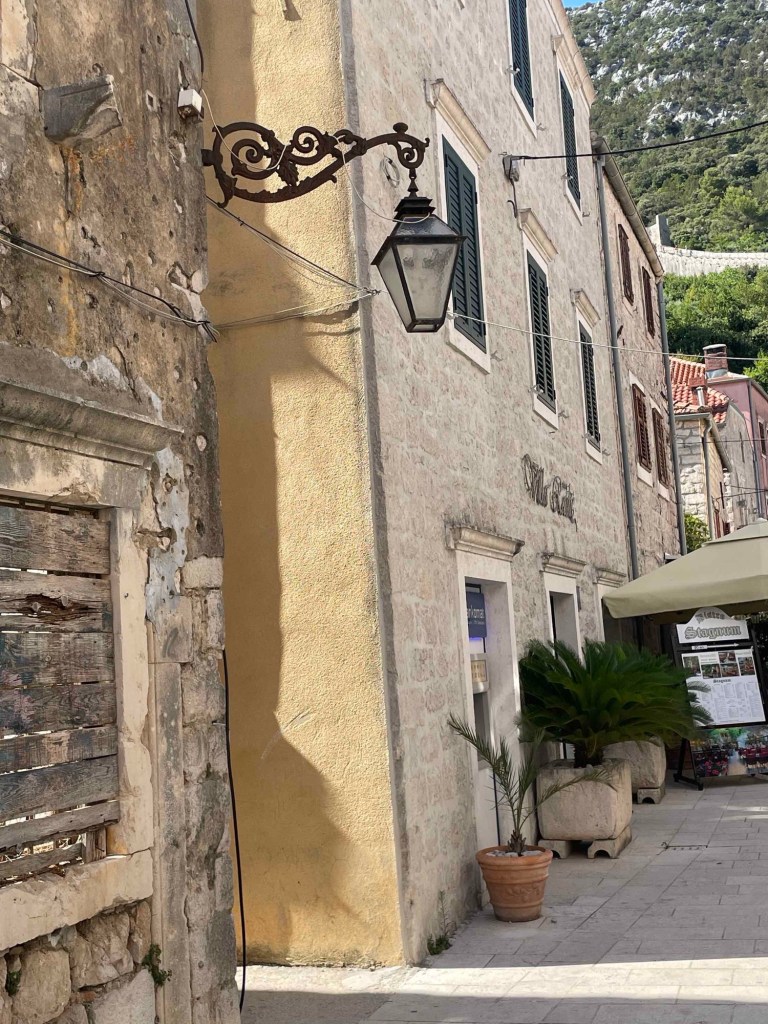
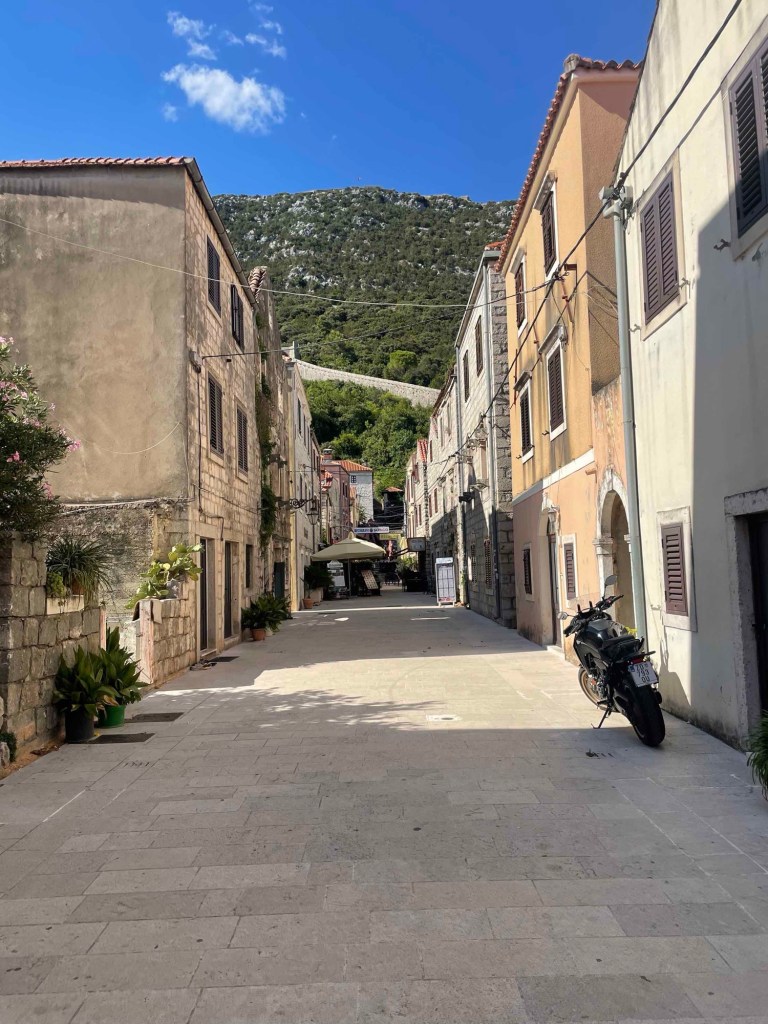
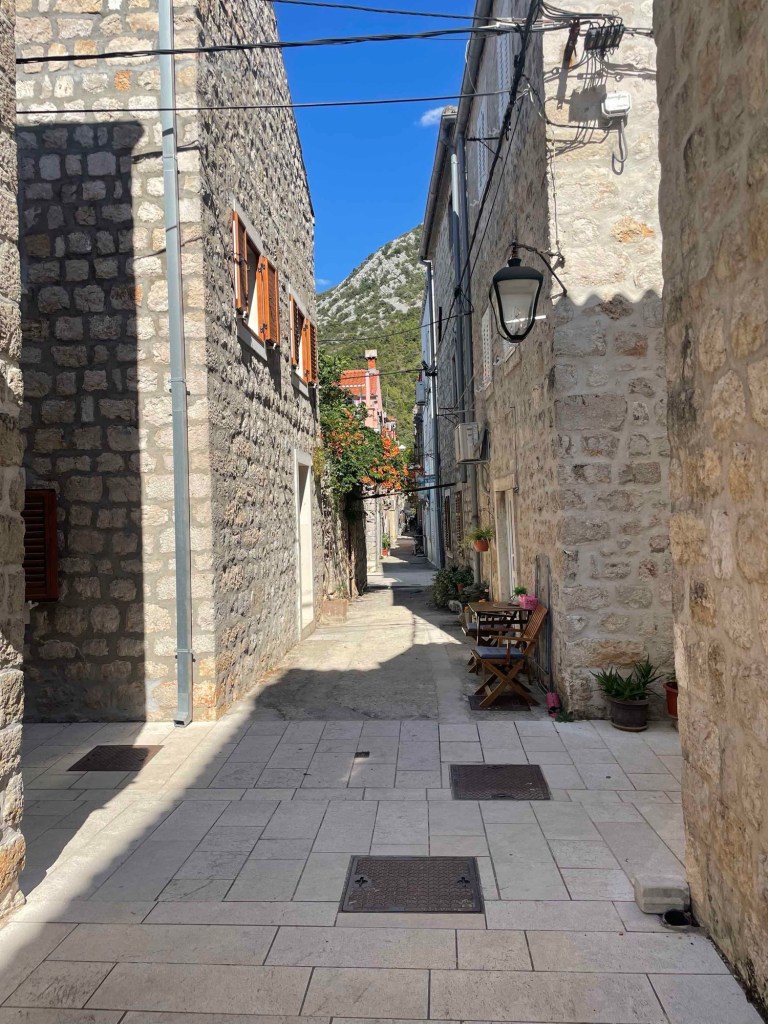
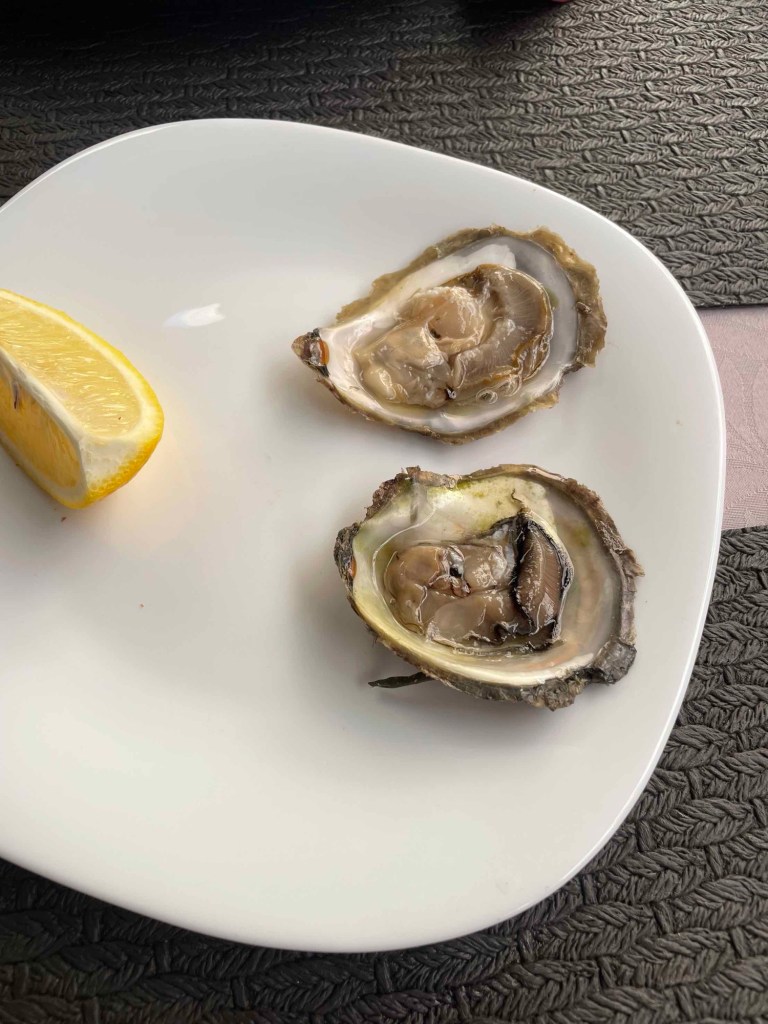
Wir lassen noch etwas Geld in einer Konoba – einem Restaurant – und stärken uns. Ich probiere zum ersten Mal in meinem Leben (kaum zu glauben) Austern aus Mali Ston. Lecker. Kann man essen. Und es war bestimmt nicht zum letzten Mal.
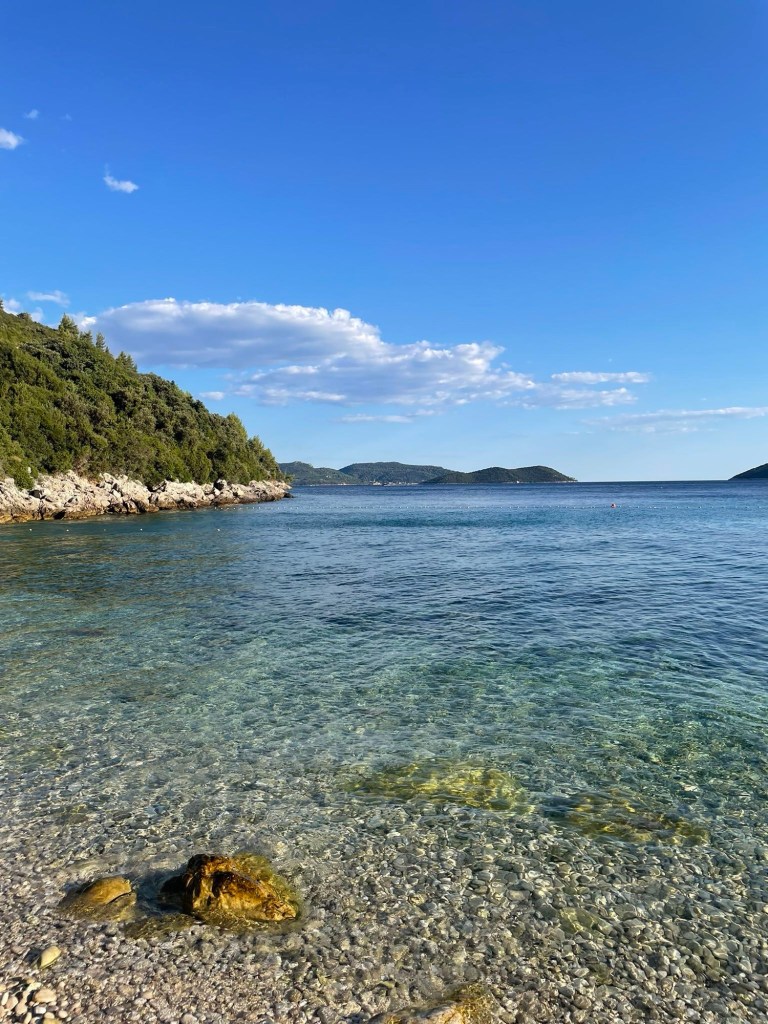
Es geht zurück, aber nicht, ohne noch einmal an einer der Buchten ins Wasser zu springen. Eine wunderschöne Atmosphäre, glasklares Wasser und das alles for free.
Wer braucht schon die Chinesische Mauer? Die ist viel zu weit weg und garantiert voller Menschenmassen.
Who Needs the Great Wall of China?
Clearly, not Croatia. They have the second longest wall in the world right here in Ston, about 50 km from Dubrovnik on the way to Split. Far away from King’s Landing hype and cruise ships.
And this morning certainly didn’t look like wall-climbing weather. I was woken up at 6 a.m. by a strange noise. Something had crashed to the ground. Storm! I looked out onto the terrace: the tablecloth, together with the table, seemed ready to take off, and the laundry was scattered all over the floor after being blown off the drying rack. Even without my glasses, I could see the whitecaps on the sea. Straight back to bed. More sleep. I ignored the 7 a.m. alarm. I’m not getting blown off a wall in weather like that.
For the first time, we had breakfast indoors. Otherwise, the coffee would have ended up who knows where. We took it easy. The wind calmed down a little but was still pretty gusty.
It wasn’t until the afternoon that we finally got ourselves moving and drove about an hour to Ston along the Croatian coastline. Lovely little bays invited us in for a swim. But first, work, then pleasure.
We had no idea what to expect in Ston. A wall. The longest in Europe. Along the entire route there wasn’t a single sign pointing to it. Every palace and monastery is advertised on huge banners, yet the Walls of Ston don’t even get a proper description in the orange Loose Balkan travel guide. It simply says: the longest wall in Europe. No photo. No further information.
Maybe that’s actually a good thing. A hidden gem that a colleague told me about.
Parking was easy to find and reasonably priced. The entrance fee was fair too. The wall stretches up both sides of the hill. The left section climbs very steeply, while the right one is a bit more forgiving.
We started with the right side and climbed the endless steps. The wall on our right, a modern iron handrail on our left for unsteady walkers and people with questionable knees. A gentle breeze was blowing, the sun was shining, and the sky was brilliantly blue. We had plenty of water with us.
We stopped for a drink and a short breather. Since there wasn’t a single information board anywhere, we asked ChatGPT what this wall was all about. Nothing. No explanation at all. A real hidden gem. We only passed a handful of Croatian visitors.
And this is what AI told us: Construction began in 1333 to protect the valuable salt pans from invaders. The wall defended the narrow isthmus of the Pelješac Peninsula against attacks from the inland. During the 14th and 15th centuries, the greatest threats came from neighboring Balkan rulers and, later, from the expanding Ottoman Empire. The entire fortification system originally stretched for more than seven kilometers. Today, about 5.5 kilometers have been restored and preserved, with additional sections still being reconstructed. The complex includes around 40 towers, five fortresses, and numerous bastions.
We climbed higher and higher, enjoying spectacular views in every direction: the salt pans, which are still in operation today, the Bay of Mali Ston with its oyster farms, and the other section of the wall leading up to the highest fortress. Unfortunately, that part isn’t open yet.
Sweat was dripping. My T-shirt was soaked. Totally worth it.
Afterwards, we wandered through the charming little town of Ston and soaked up its peaceful atmosphere. Hardly anyone was around. Some houses have been beautifully restored, others are slowly falling apart. It’s simply too far away from the major tourist hotspots. Let’s hope it stays that way. Maybe in a few years Ston won’t be a hidden gem anymore, and crowds of tourists will descend on it and spoil its unique character.
We spent a little more money at a konoba, a traditional Croatian restaurant, and had something to eat. For the first time in my life (hard to believe), I tried oysters from Mali Ston. Delicious. I’d happily eat them again.
Then it was time to head back, but not before jumping into the sea at one of the little bays along the way. Crystal-clear water, a wonderful atmosphere… and all of it completely free.
Who needs the Great Wall of China? It’s much farther away—and probably packed with people anyway.


Kommentar verfassen